
Twelve arrests as fraudulent call centres dismantled in Ukraine
Ukraine’s SBU security service and police have dismantled a network of fraudulent call centres in Khmelnytskyi. Investigators say the suspects called foreign victims while impersonating public officials. The group operated from eleven homes.
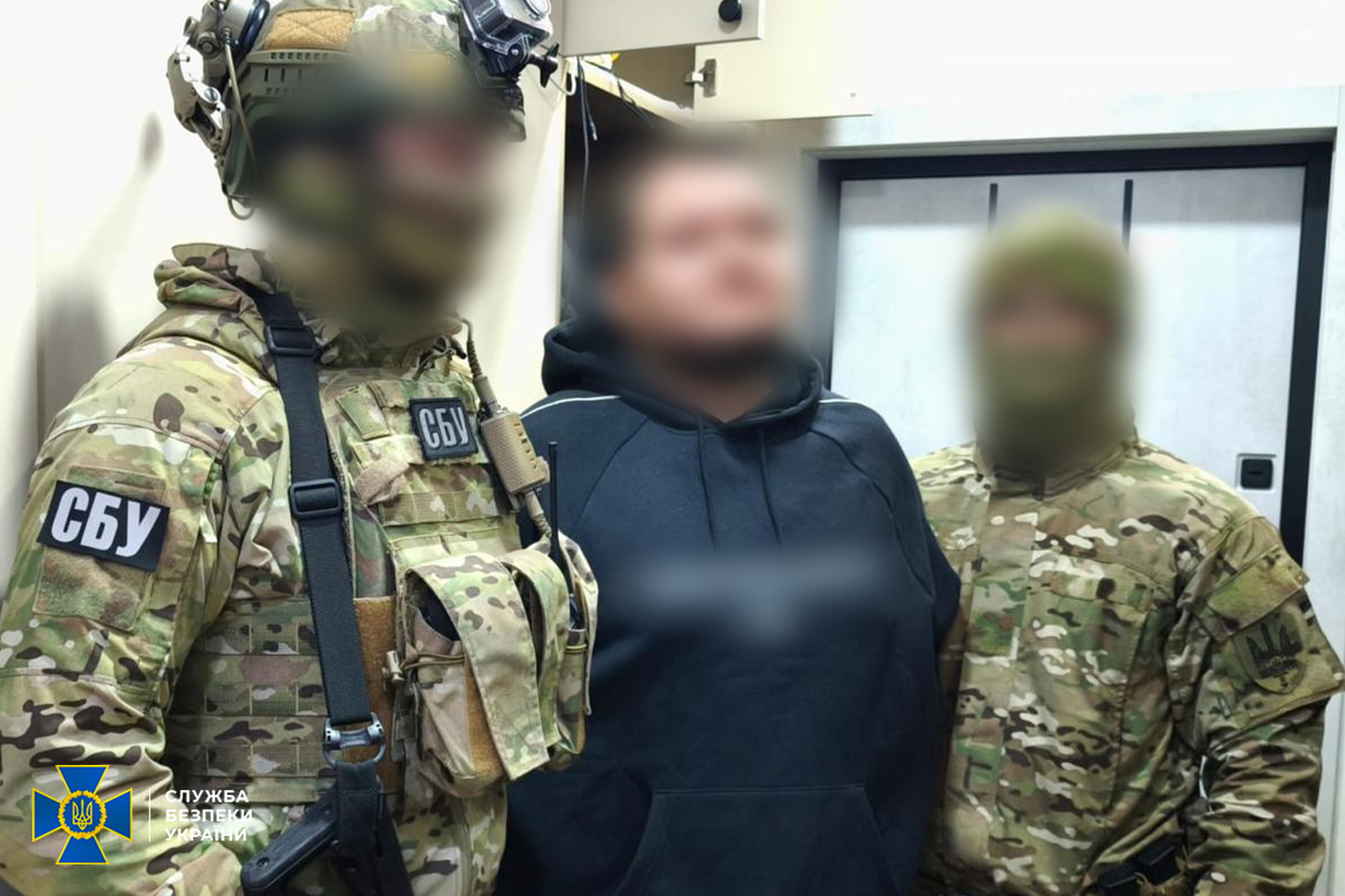
Ukraine’s SBU security service and National Police have broken up an organised telephone fraud network in Khmelnytskyi. The alleged organiser and eleven other people have been detained. Authorities announced the operation on 23 November and released footage of the searches and seized equipment.
Investigators say the group targeted residents of other countries. Callers pretended to work for government institutions or law enforcement agencies. Using various pretexts, they tried to persuade people to transfer their savings to designated accounts. They allegedly used psychological pressure and social engineering to gain their targets’ trust.
The alleged organiser, a Khmelnytskyi resident, reportedly selected participants for their computer knowledge and information technology skills. Special internet telephony software was used for the calls. Work was spread across owned and rented homes: according to the SBU, the network used eleven apartments in total.
Members communicated through a closed chat in a messaging app. They used changing aliases and avoided calling each other directly. According to the police investigation, this digital space was used to share information about potential victims, coordinate activities and distribute proceeds. Those internal communications form part of the investigation into the organisation of the fraud.
Victims’ money was allegedly moved to bank and cryptocurrency accounts controlled by the group before being divided among its members. Reports based on police information say the organiser retained a share to keep the operation running. Searches yielded computers, mobile phones, cash and records, as well as false law enforcement identity cards and forged stamps.
The twelve people are suspected of creating, leading or participating in an organised group committing fraud through electronic communications. The SBU says the offences carry up to twelve years’ imprisonment and confiscation of assets. Regional prosecutors are supervising the investigation. Investigators are also seeking to identify any other participants and establish the remaining circumstances of the fraud.