350 officers in raids against suspected Frankfurt drugs and money-laundering network
Investigators found cocaine, crack, cash and luxury cars during 31 searches. Nine suspects and businesses allegedly used as fronts are under investigation.
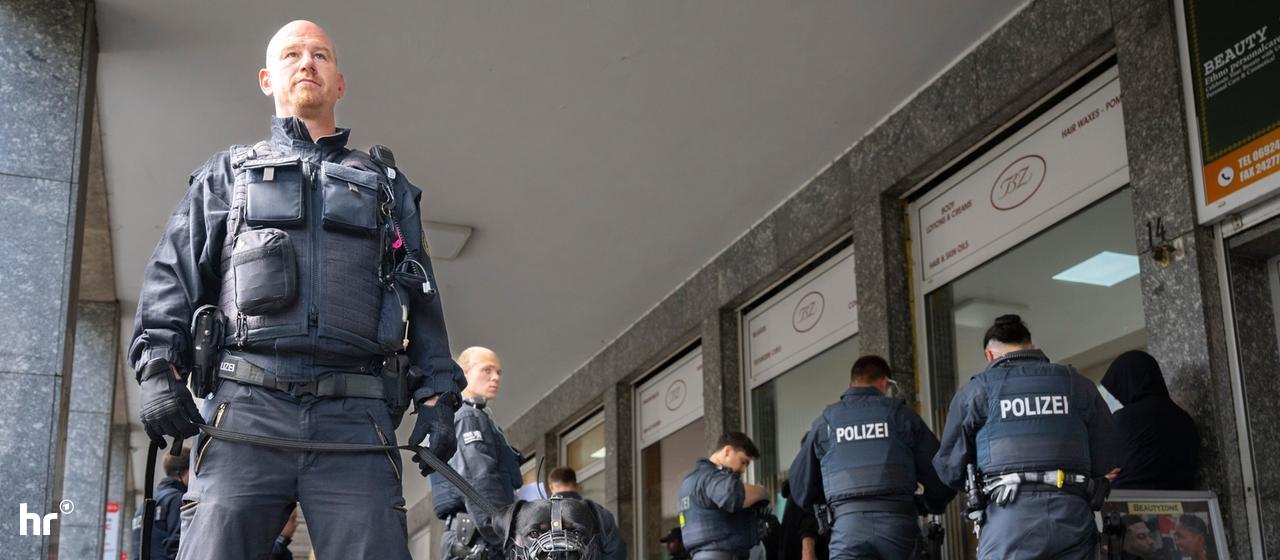
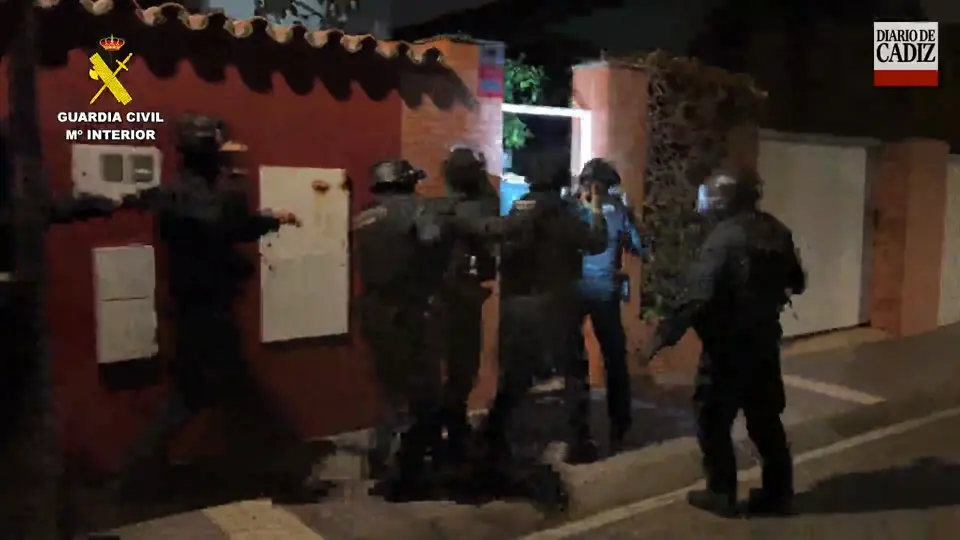
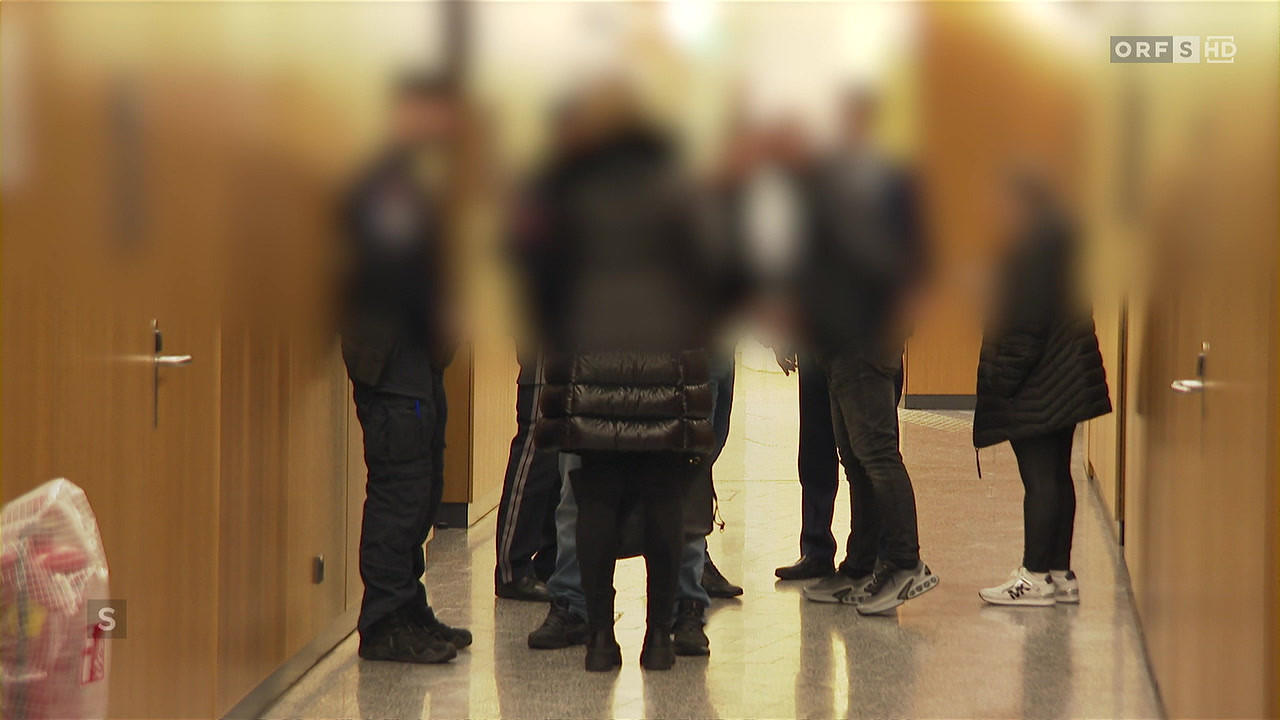
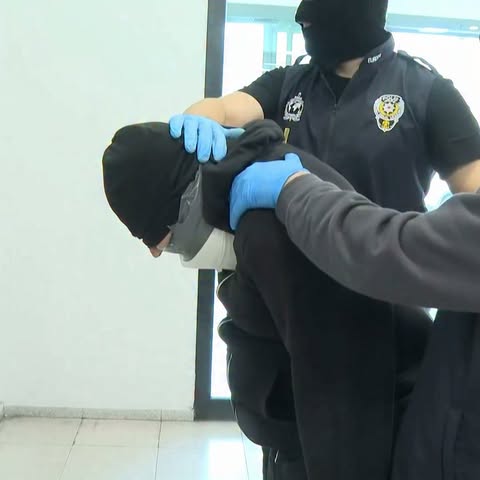
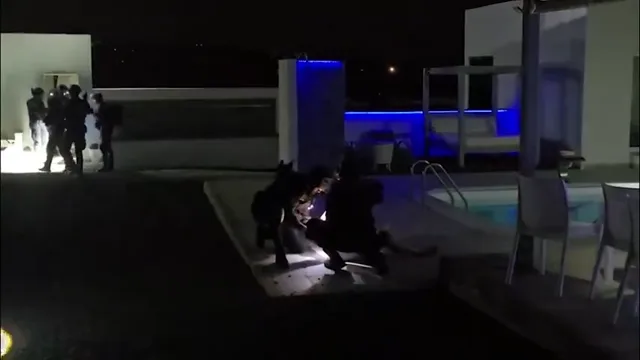
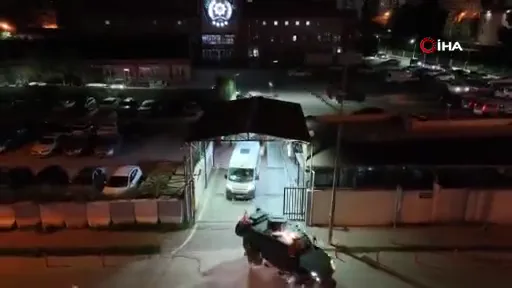
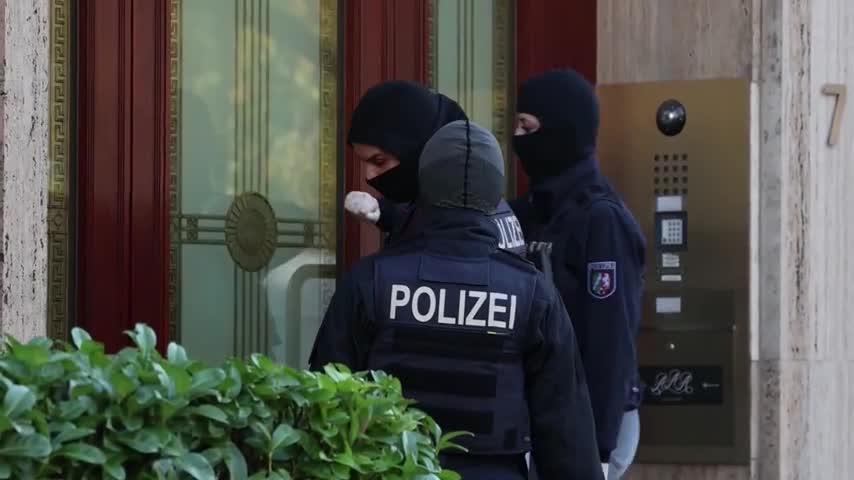
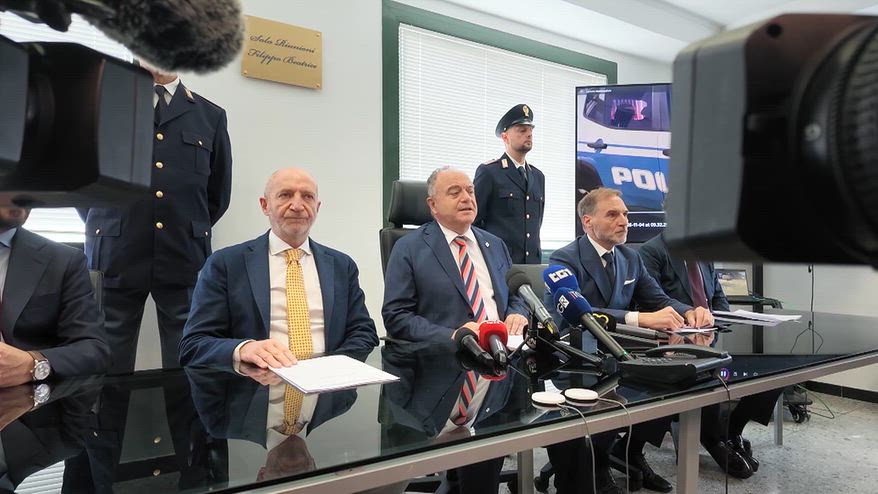
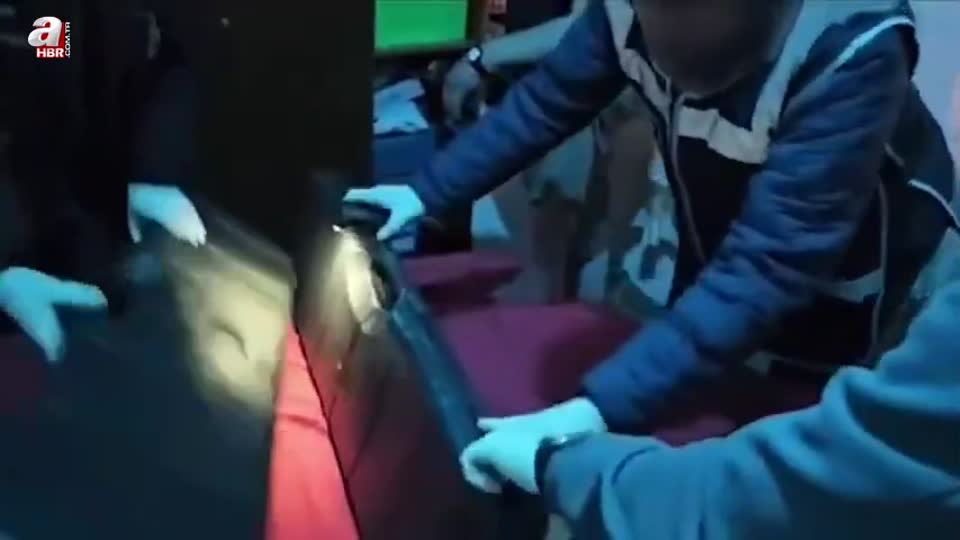
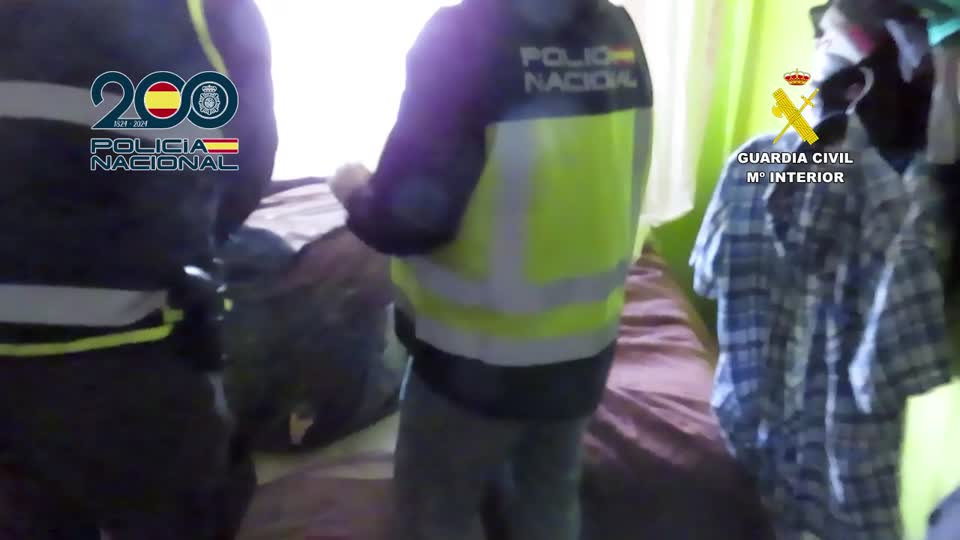
More than 350 police, tax investigators and municipal officers joined an operation against suspected criminal structures in Frankfurt’s station district. On 19 November they searched 31 premises and inspected four others. Prosecutors and police announced the results the following day.
The investigation concerns nine suspects aged 25 to 58, accused of organised-group drug trafficking, commercial money laundering and tax evasion. Searches took place in Frankfurt, Neu-Isenburg and Hanau, as well as Überherrn and Saarlouis in Saarland. Locations included hotels, restaurants, gaming halls, offices and homes.
Investigators enforced asset-freezing orders worth more than one million euros. They also seized over €150,000 in cash, jewellery and three valuable vehicles. The financial measures are intended to keep assets under investigation within the reach of the authorities while the case develops.
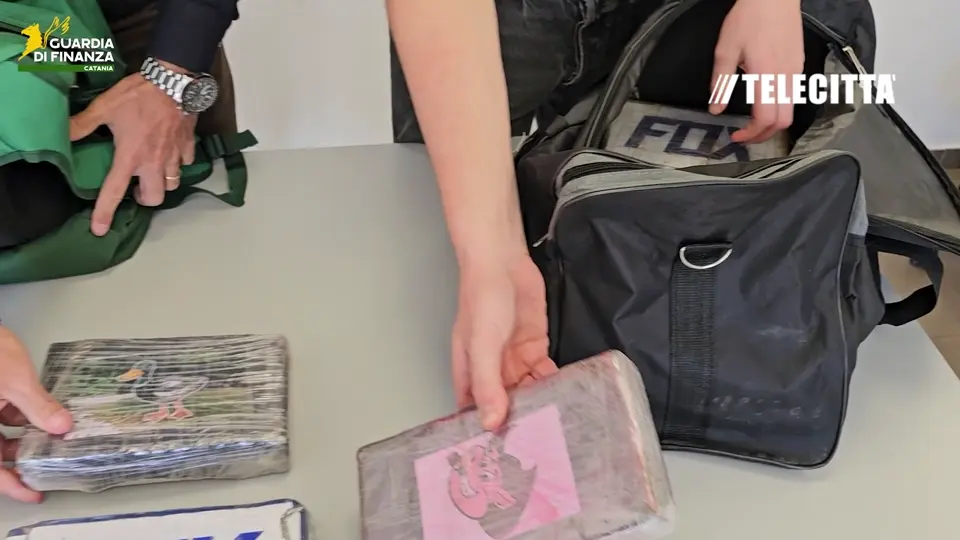
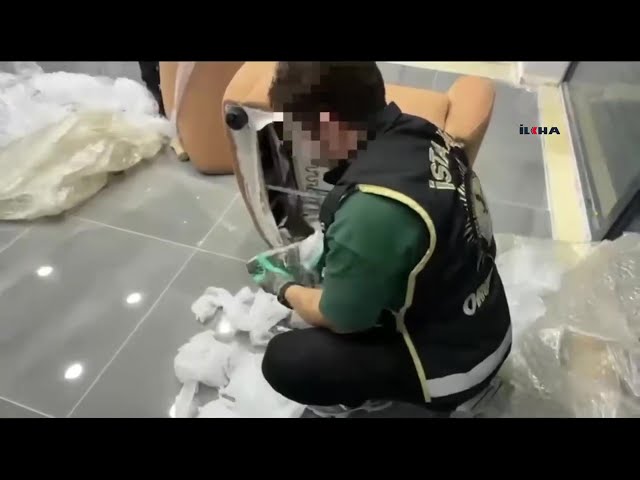
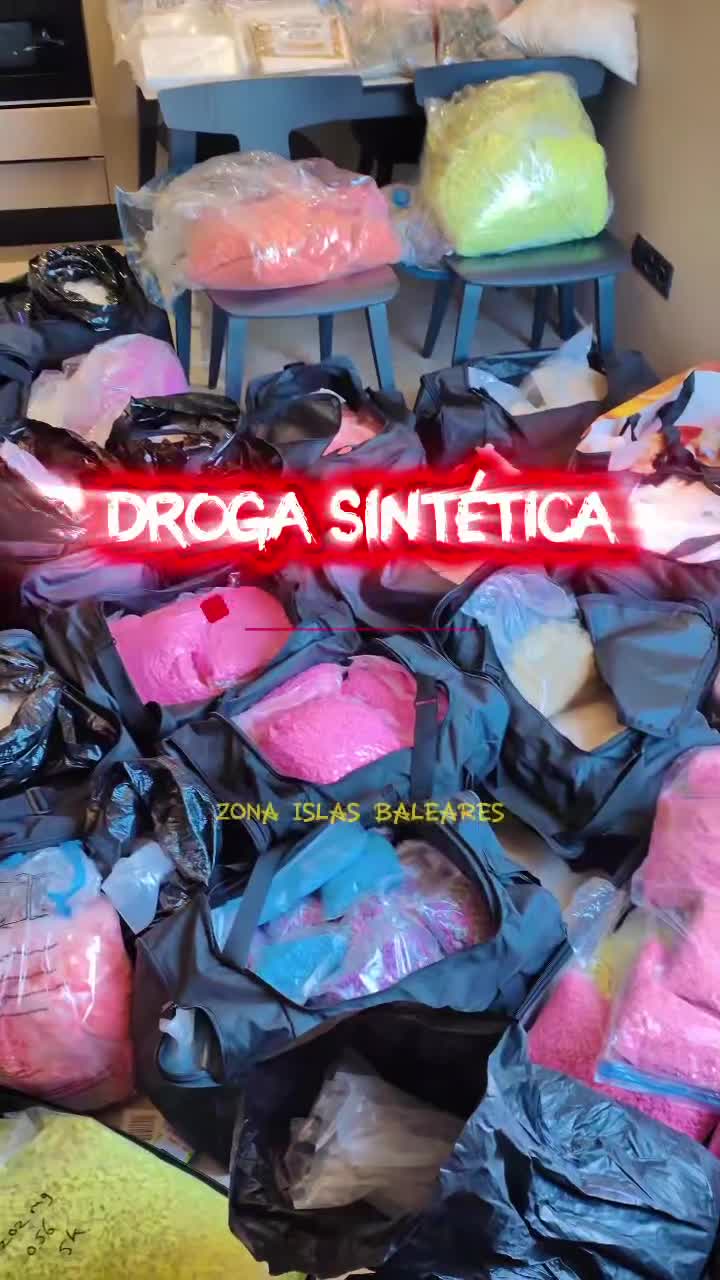
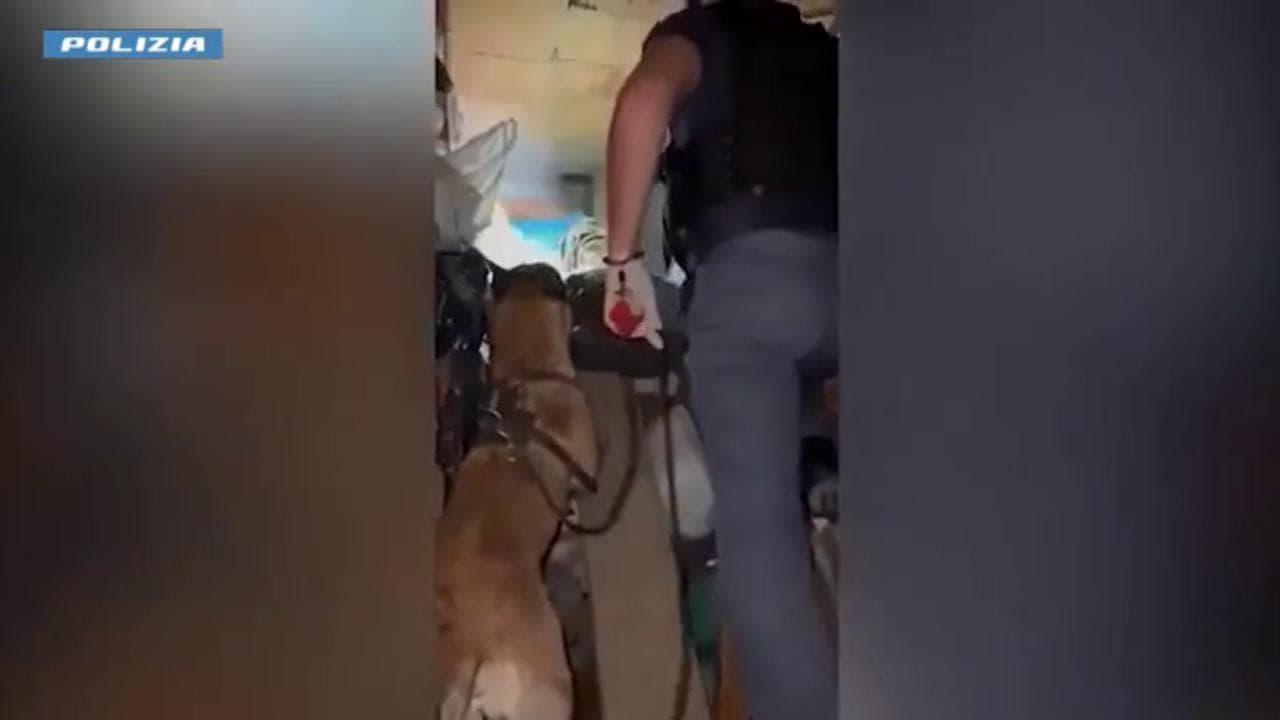
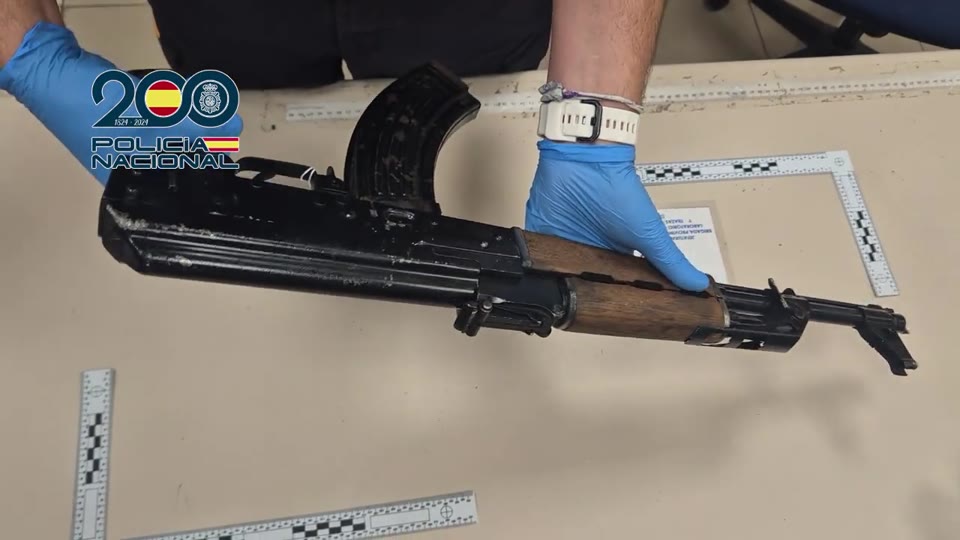
Officers found more than two kilograms of cocaine and over one kilogram of crack. Around one kilogram of cocaine and 100 grams of crack were discovered in one business’s toilet area. Investigators said the same building contained a room used to produce crack.
The municipal inspection unit closed four businesses and several gaming machines were seized. Those inspections formed part of the joint operation, combining criminal inquiries, tax investigations and supervision of business operations. The participating agencies coordinated their work in advance.
The investigation began with indications that criminal groups operated restaurants, bars and other businesses through front men. The establishments allegedly concealed drug trafficking and channelled its proceeds into the legitimate economy. More than a year of investigations, partly covert, preceded the raids. Police and prosecutors continue to examine who directed the organisations and how their money moved.