38 arrests in crackdown on Romanian trafficking network across Europe
Updated ·Europol reports more than seventy identified victims; Romania, Austria and Ireland are among the countries involved.
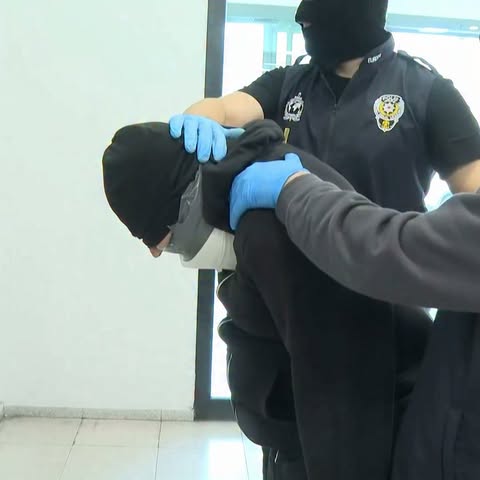
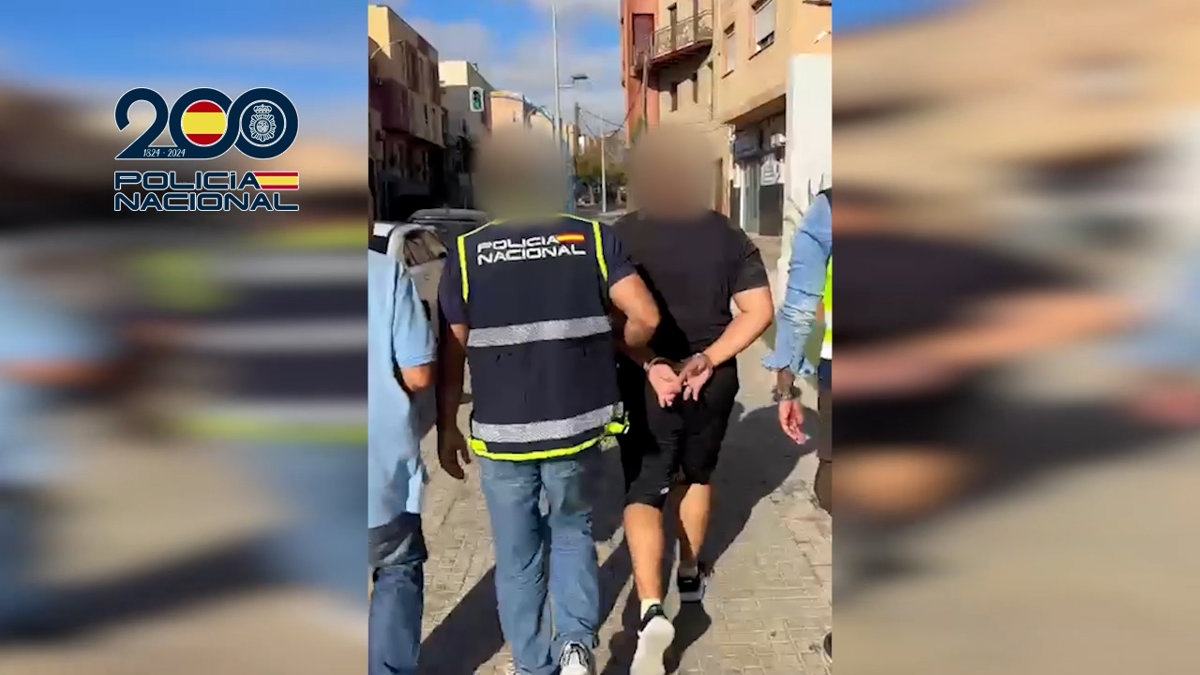
A Romanian-led investigation has uncovered an international network suspected of taking women to several European countries for sexual exploitation. Thirty-eight suspects were arrested during two coordinated action days, on 5 and 19 November. Europol announced the results on 20 November and described an organisation in which family ties played an important role.
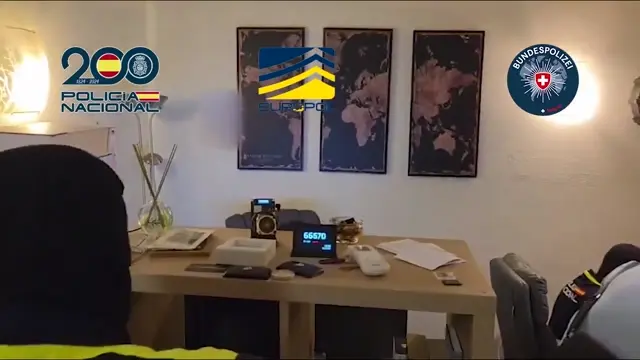
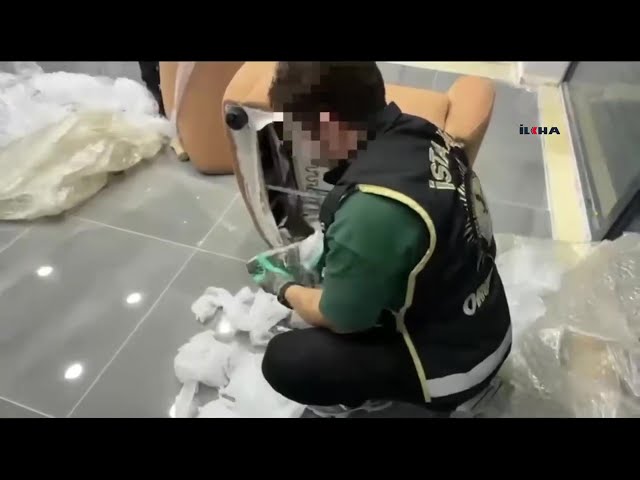
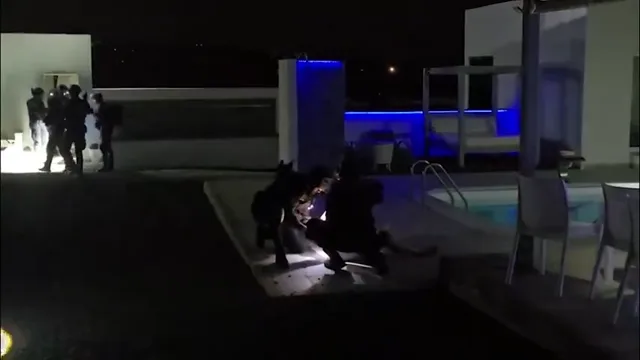
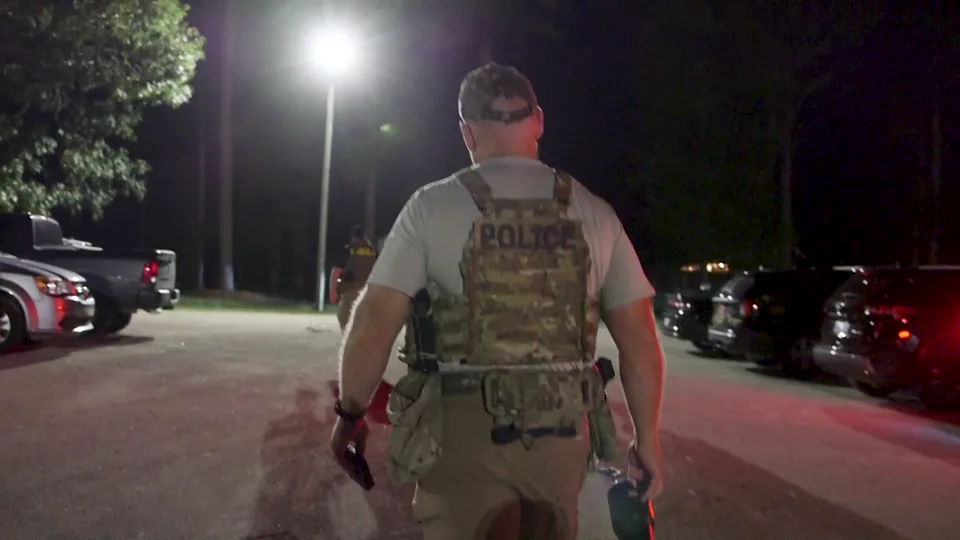
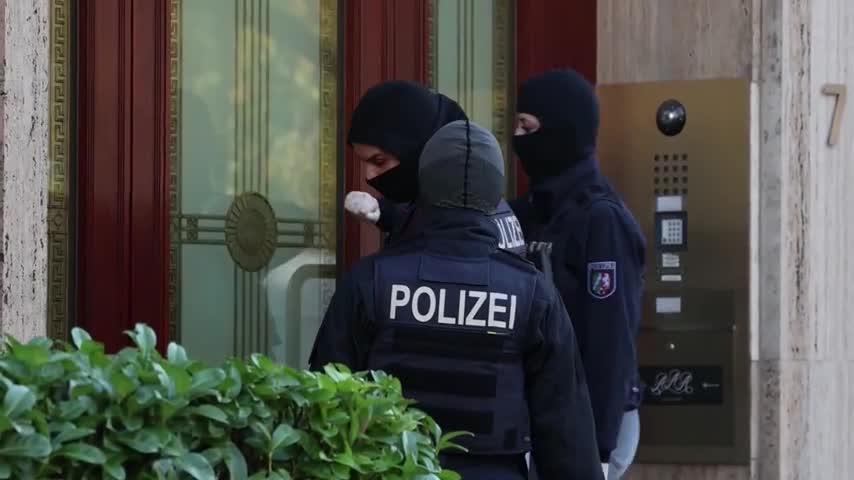
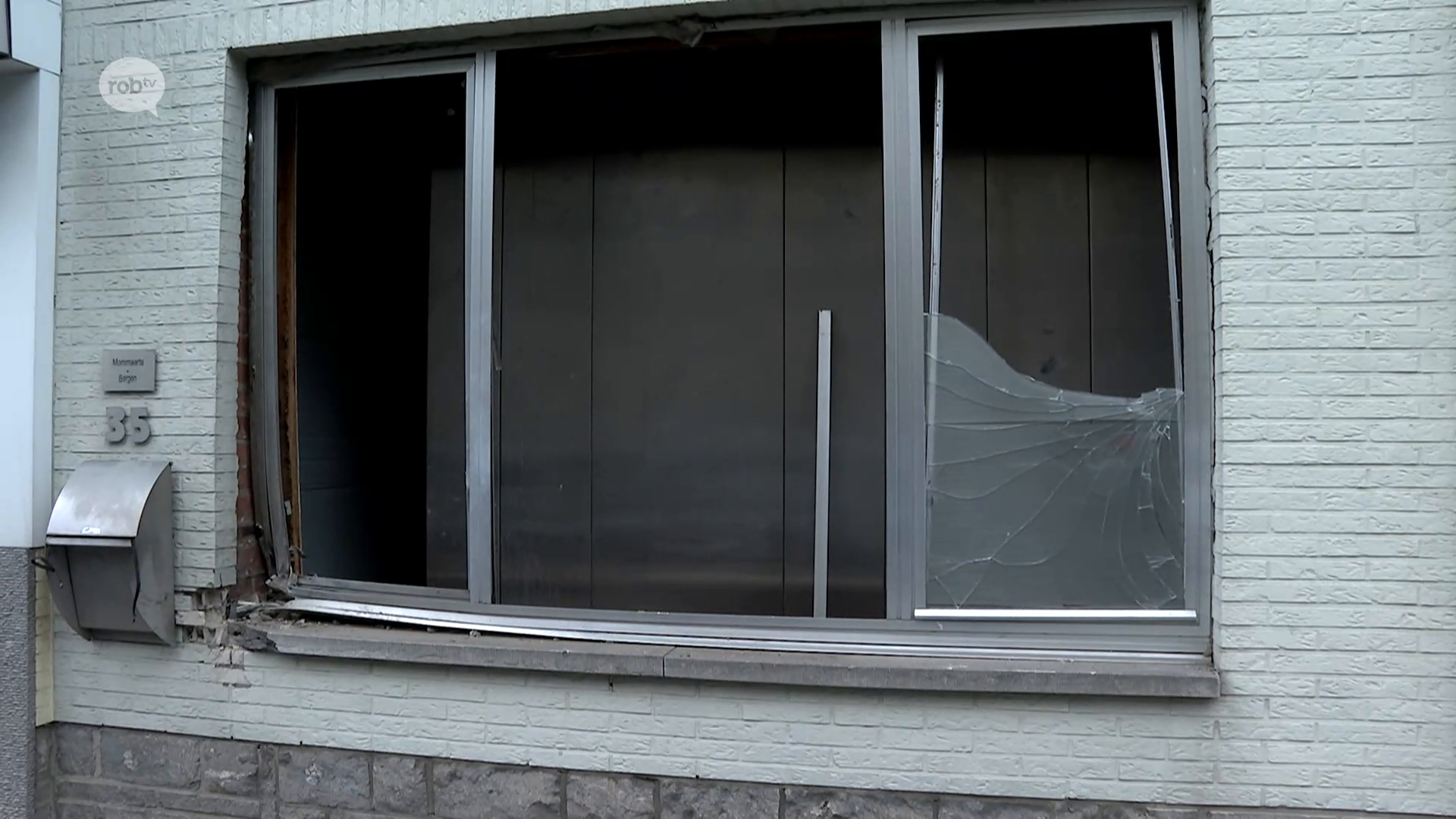
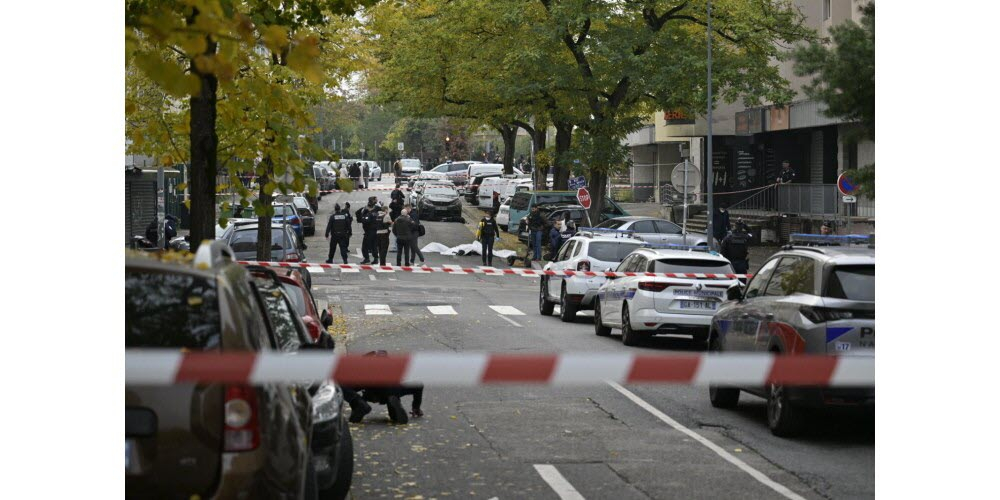
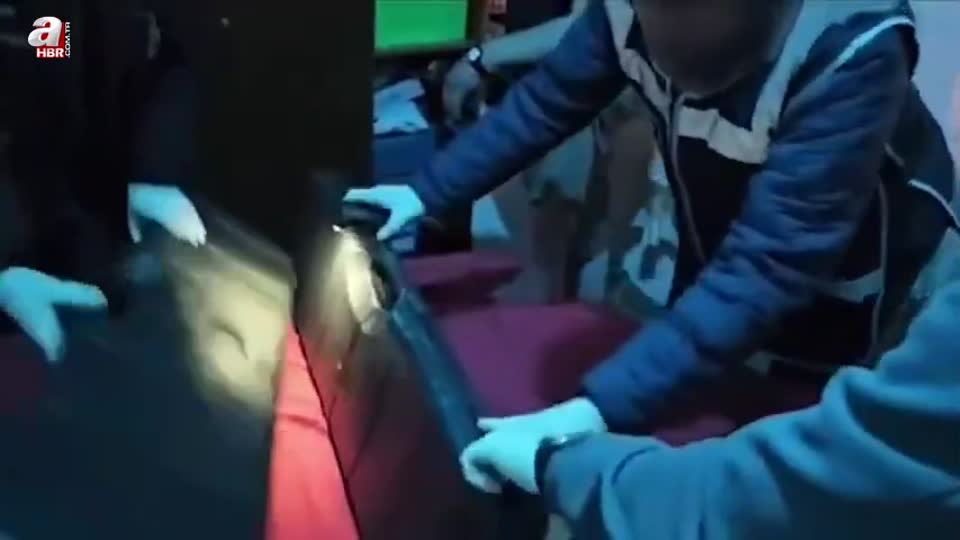
Authorities conducted 61 house searches in Romania, Germany and Ireland. Fifty-one potential victims were safeguarded during the operations. Across the investigation as a whole, more than seventy women have been identified as victims and fifty suspects identified. These figures cover different groups: the 51 relate to the interventions, while the figure exceeding seventy concerns the wider case.
Investigators say vulnerable women were recruited through promises of a romantic relationship. After gaining their trust, the network allegedly took them abroad and forced them into sexual exploitation. The suspected activity therefore covers the entire chain, from recruitment and movement across borders to profiting from exploitation in other countries.
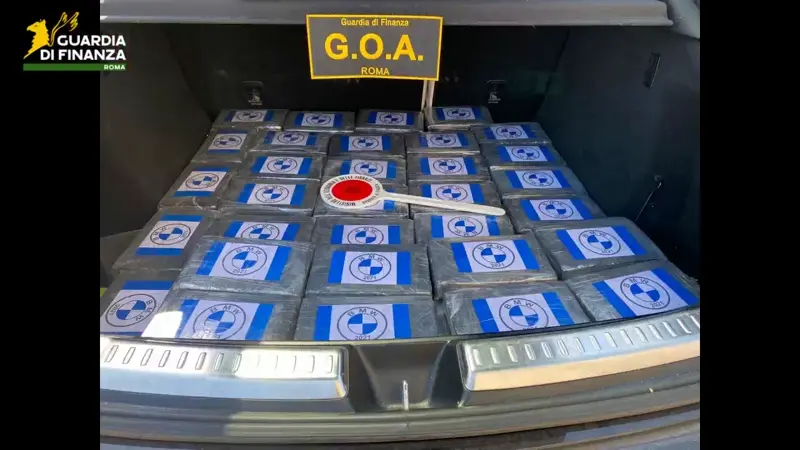
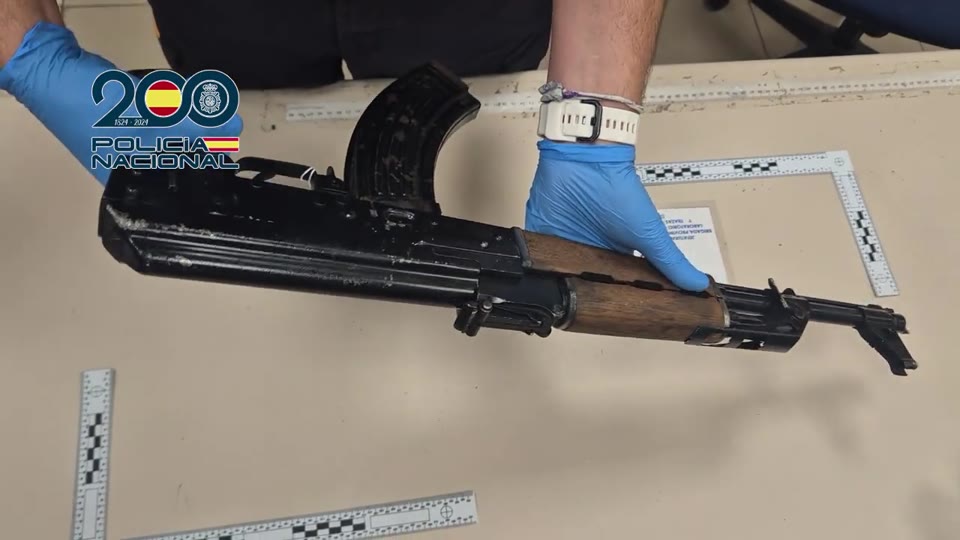
The network allegedly operated in nine European countries. Austria, Germany, Ireland and the United Kingdom are named as important destinations. Investigators estimate that the activities generated several million euros. Cash and luxury cars were seized during the coordinated operations.
Europol has supported the investigation since November 2025. The European police agency helped exchange information, organise operational meetings and analyse connections between suspects and activities across countries. During the action days, a coordination centre in Bucharest supported cooperation involving authorities from five countries.
The case consequently involves both investigating the suspected exploiters and identifying and protecting victims across borders. The November arrests are the operational result of that joint approach. The investigation into the family-based organisation and its suspected income from exploitation continues with the national authorities involved.