Operation Nexus: five arrests over sale of seized drug-smuggling fuel
Updated ·An alleged network sold fuel through five petrol stations instead of destroying it after drug seizures. The Guardia Civil links the scheme to more than 700,000 litres and over €1 million in proceeds.
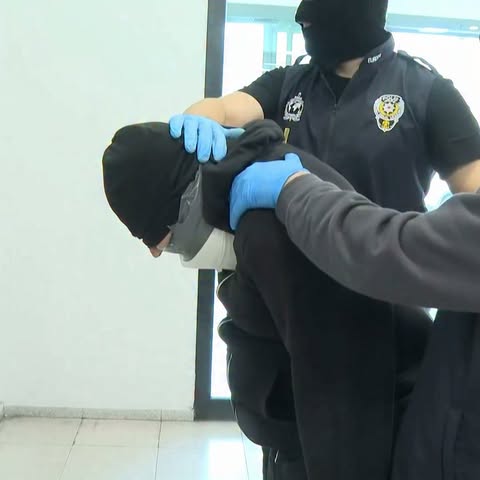
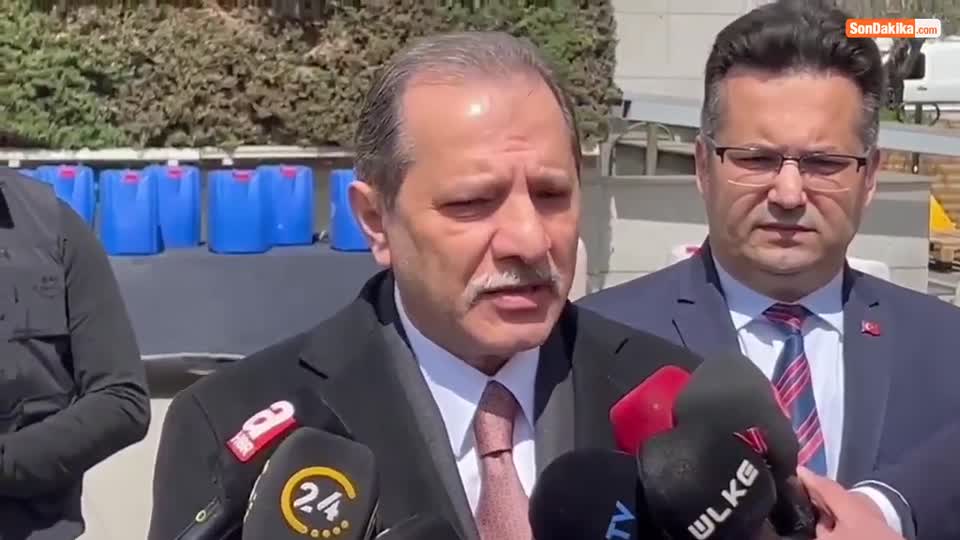
A company tasked with removing and destroying fuel seized in Andalusia allegedly returned it to the commercial market instead. Guardia Civil officers arrested five people in Operation Nexus, including the suspected leader of the network. Two were placed in pretrial detention. The results were announced on 20 November.
According to investigators, the scheme centred on a Cádiz company authorised to collect, treat and destroy fuel seized in operations against drug smuggling. Its official contract gave it access to those consignments. Publicly, it presented itself as a recycling and waste-management specialist, while investigators say the fuel was diverted before destruction.
The suspected leader and a relative allegedly established five low-cost petrol stations in Seville and Huelva. According to the Guardia Civil, the fuel ultimately entered their storage tanks for sale to ordinary motorists. Since February, the network allegedly misappropriated more than 700,000 litres and earned over one million euros.
Police opened the investigation in July after receiving information about possible illegal activities at the company. Detectives focused on the final destination of the removed fuel. Their findings suggest that records concerning fuel contaminated with water were intended to create the impression that the required removal and destruction procedure had been followed.
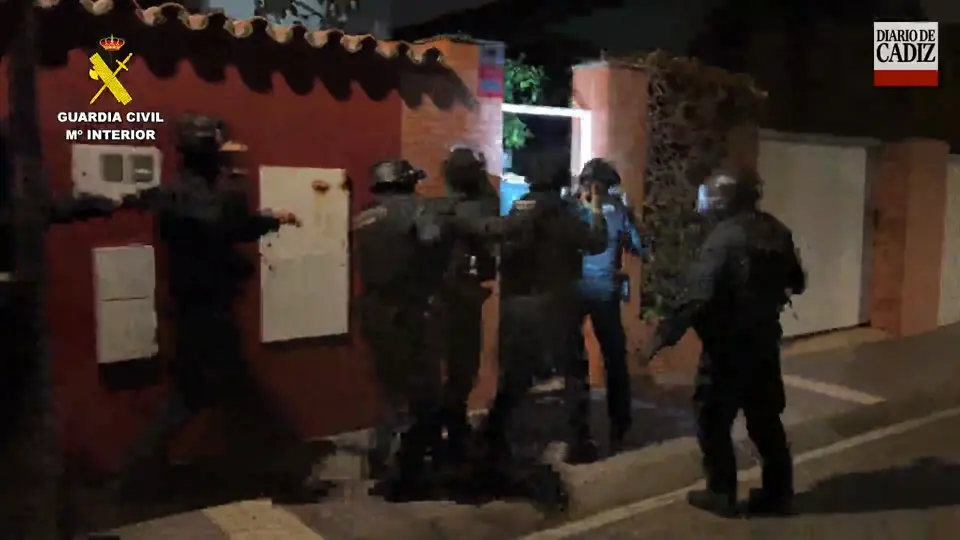
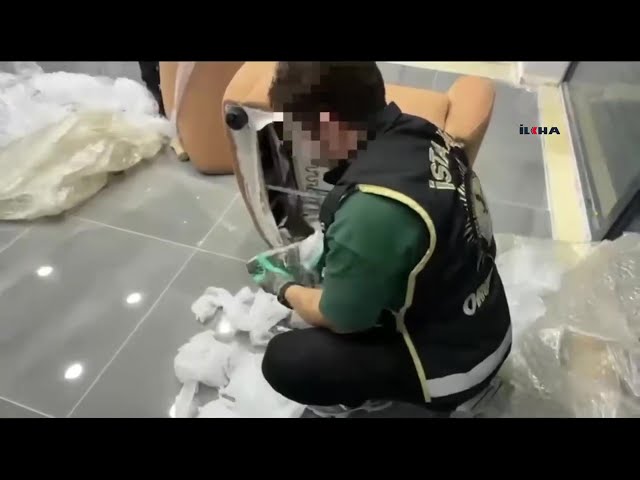
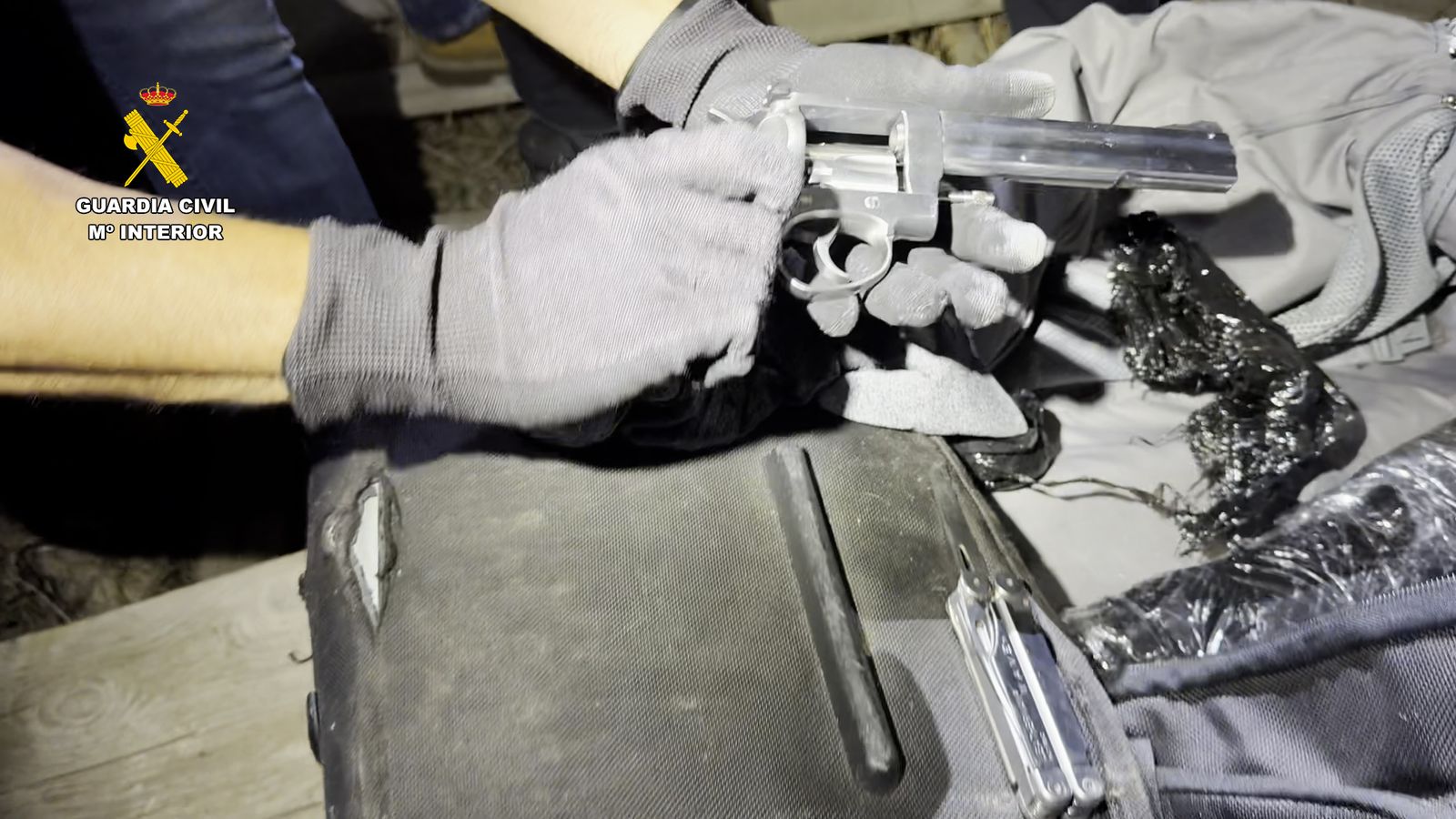
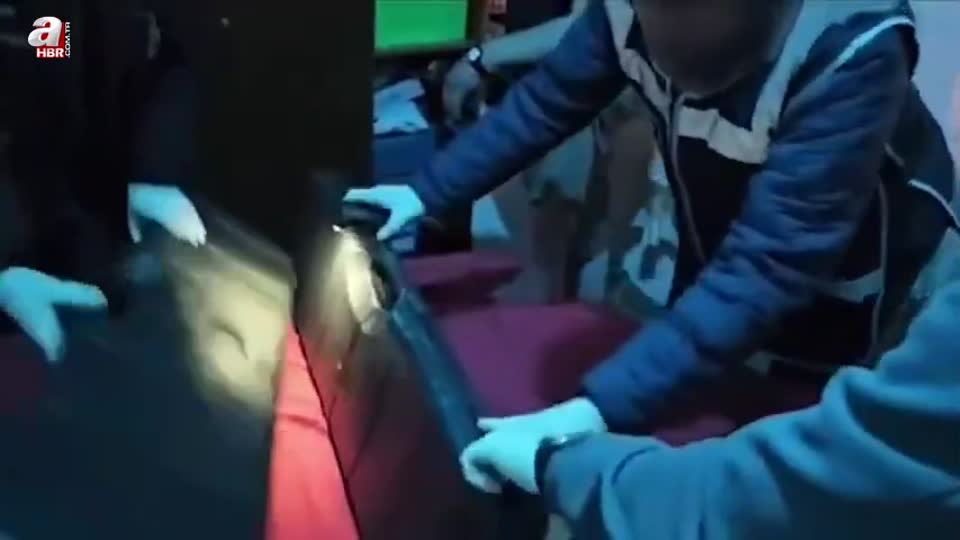
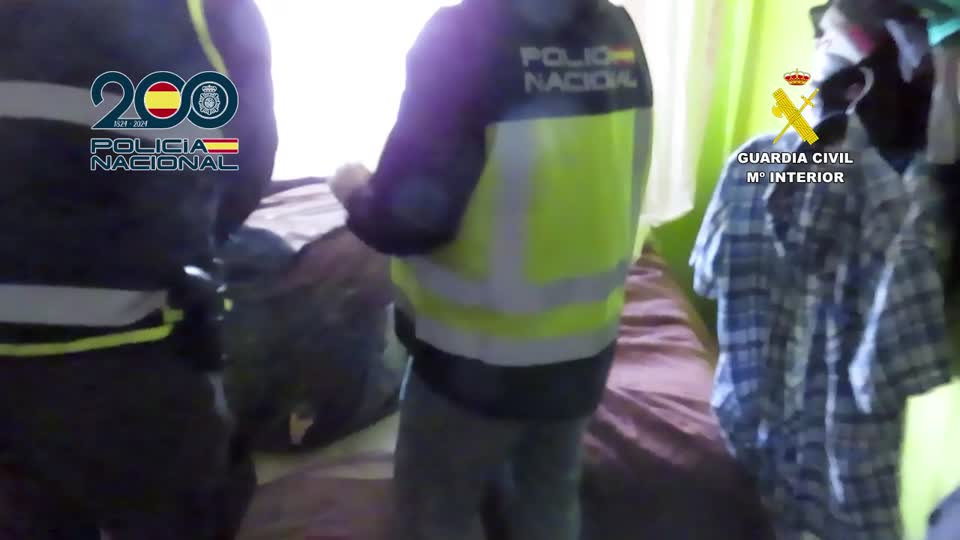
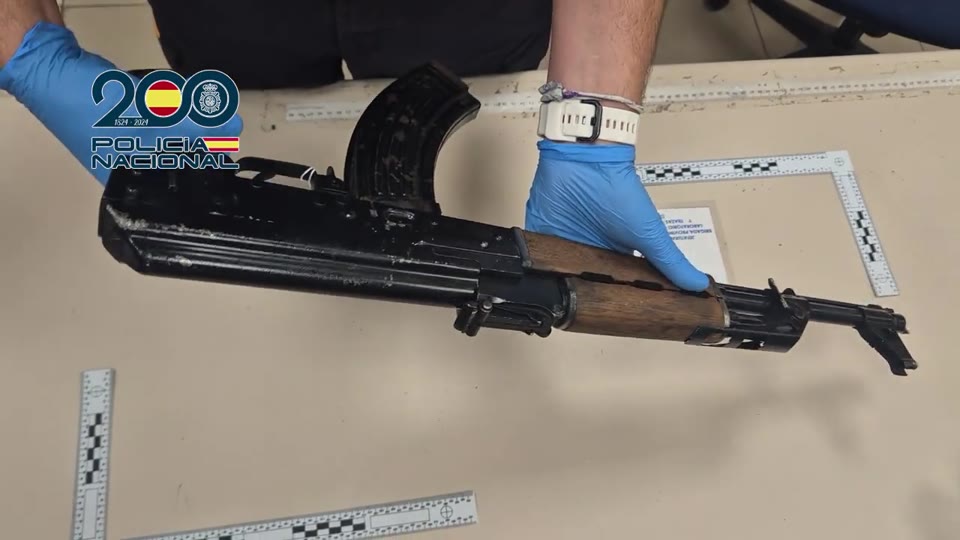
The raids covered eleven locations: three homes in El Puerto de Santa María, Chiclana de la Frontera and Jerez de la Frontera, three business or storage sites, and the five petrol stations. Officers seized 57,525 litres of fuel, 59,170 euros in cash, five luxury cars, jewellery, luxury watches, four cryptocurrency servers and computer equipment.
The Guardia Civil describes an organisation of five people performing different roles within an apparently legitimate business structure. The fuel was allegedly stored temporarily in several warehouses. According to investigators, some storage premises failed to meet safety requirements for flammable substances. The case therefore covers both the diversion of seized goods and their storage and sale through regular businesses.