Spanish laundering case: nine arrests linked to cyberfraud and wine exports
Spanish police and customs report nine arrests in a network accused of laundering more than three million euros from international cyberfraud. Investigators say proceeds were channelled into wine and industrial machinery for export.
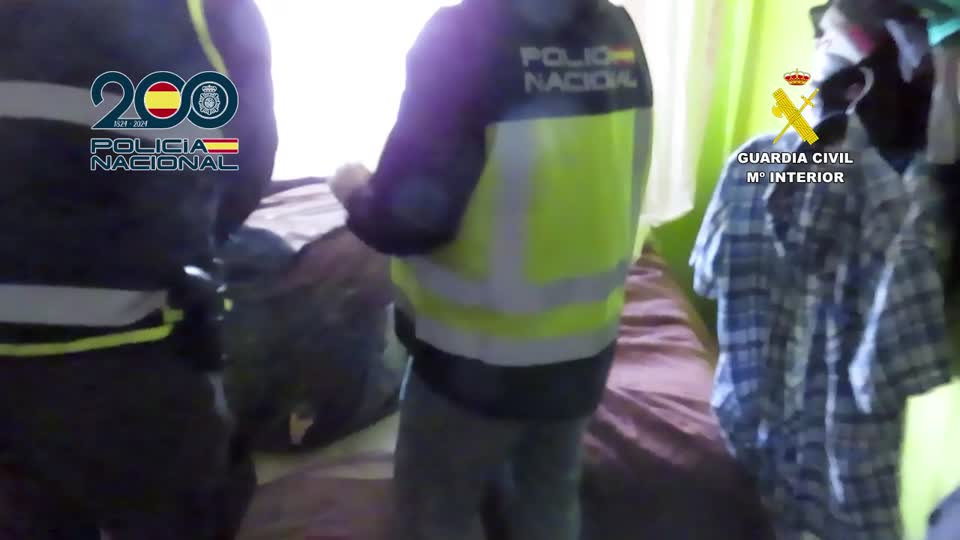
The Interior Ministry announced the operation on 28 October. Two suspects were arrested in Torrelavega on 11 August, followed by seven in Madrid, Alicante and Tenerife on 20 and 21 October. Investigators say those arrested include the recruiter of account holders receiving money for the network. Eight searches recovered business records, computers, phones, jewellery and cash.
The investigation began in 2025 after financial intelligence service Sepblac flagged suspicious transactions through intermediary accounts. Authorities describe business email fraud redirecting payments, commercial impersonation and romance scams. They say money passed through shell companies and account holders before being dispersed through transfers and cash withdrawals.
Investigators say the next stage involved buying Spanish wine, machinery and industrial vehicles for export to Africa. Wineries were used as formal customs exporters to separate the company receiving illicit money from the shipment. Victims include businesses and individuals in Germany, Portugal, Romania and Sweden. A court in Santander supervised the investigation, with international cooperation supported by Europol.