EncroChat: Dutch Supreme Court upholds refusal to hear witnesses in Messina case
On 27 October, the Dutch Supreme Court rejected appeal complaints in a drugs case in which the defence sought to question three unidentified EncroChat users. The conviction stands; the prison term falls from seven years and two months to six years and ten months because the appeal proceedings took too long.
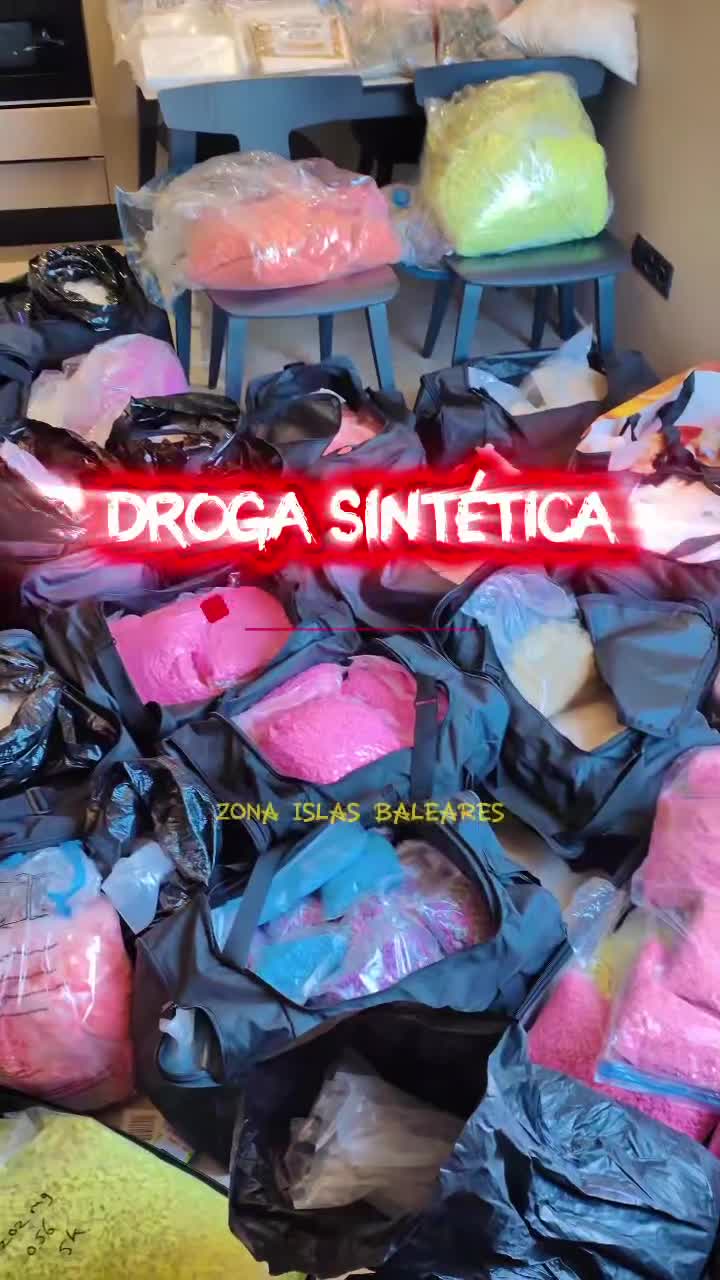
Judgment ECLI:NL:HR:2026:1747, case 25/00329, concerns the Messina and Februus investigations. Amsterdam Court of Appeal convicted the man on 30 January 2025 of offences including jointly producing methamphetamine, dumping drug waste, trading ketamine and participating in a criminal drug organisation. EncroChat messages played an important part in the evidence.
The defence disputed that the defendant used an account attributed to him. It sought to question three other users who had communicated with that account. The appeal court had previously allowed such questioning on conditions: police or prosecutors had to identify the users and inform them of that identification. Three other identified contacts testified in November 2024.
The identities of the three remaining requested witnesses were unknown. A check in May 2024 produced no new information. At the substantive hearing in December 2024, neither the defence nor prosecutors had further details or leads. The appeal court refused to reopen the case and question these users because it considered it unlikely they could be heard within a reasonable time. The defence challenged that reasoning on points of law.
The Supreme Court rejected the complaints under section 81 of the Judiciary Organisation Act: answering questions relevant to legal uniformity or development was unnecessary. Only the sentence length changed. The defendant was in pretrial detention and more than sixteen months had passed since the appeal was lodged. That breach of the reasonable-time requirement resulted in a four-month reduction.