From Ecuador to Europe
How Latin American trafficking networks work with European gangs, from export cargo to distribution after arrival.
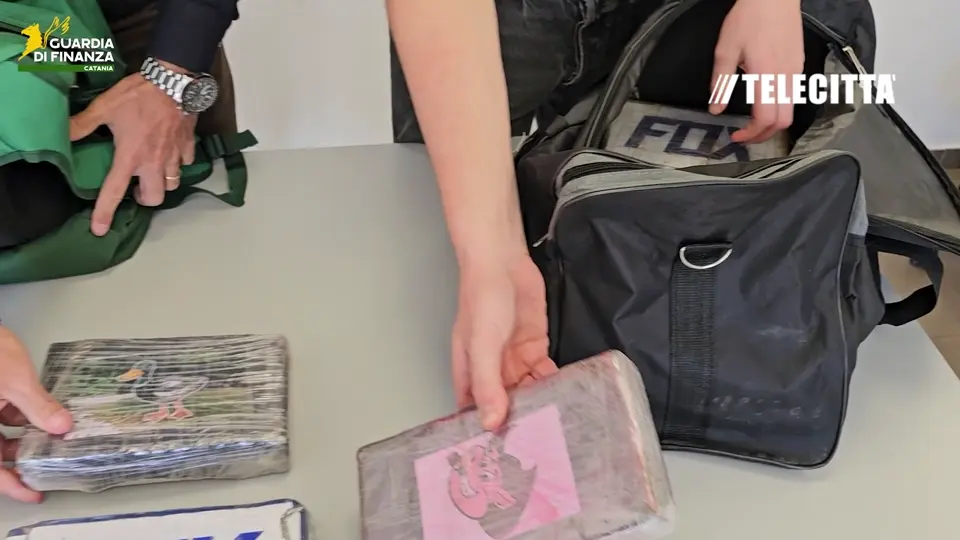
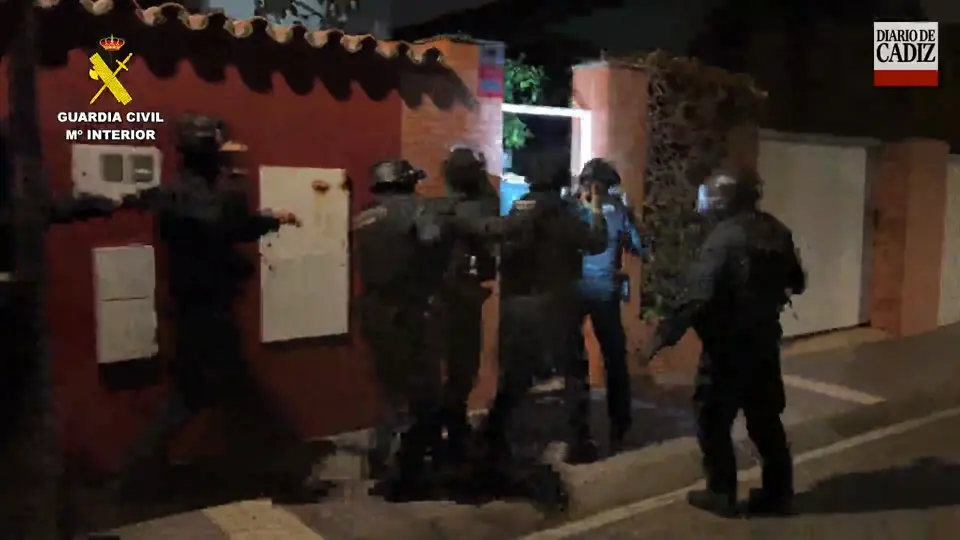
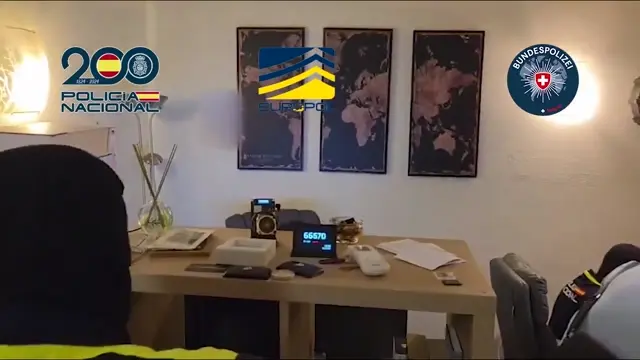
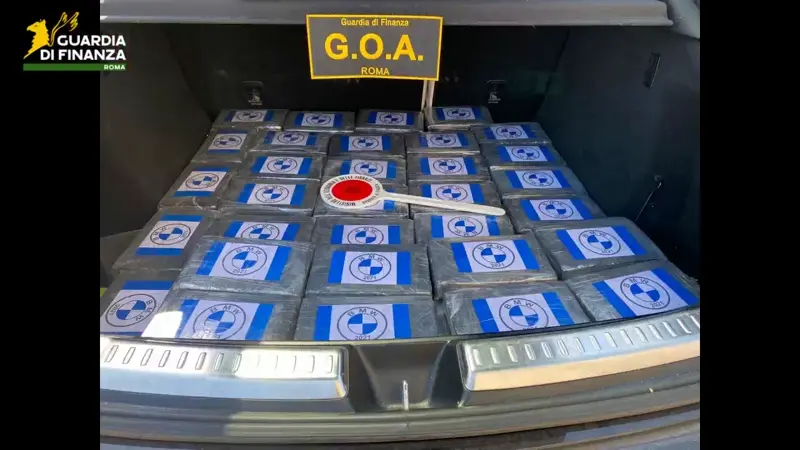
In August 2026, authorities seized more than 750 kilos of cocaine in Antwerp. The shipment gave investigators a lead in a case that extended far beyond the Belgian port. In November, teams searched premises in Czechia, Germany, the Netherlands, Spain and Switzerland. Europol says Swiss authorities were investigating a network suspected of importing cocaine from Ecuador and other Latin American countries and laundering the proceeds since at least 2019.
A separate case shows how the work can be divided across the Atlantic. In its report on the most threatening criminal networks, Europol describes a group linked to Ecuador’s Los Lobos. Investigators say fruit exporters provided cover for cocaine hidden in legitimate cargo. Members of an Albanian network travelled to Ecuador to negotiate deals. After arrival, cells in several European countries handled transport and distribution. Each group could draw on its own contacts and infrastructure.
Europol identified Latin American ties in 149 of the 731 high-threat networks it examined. That includes networks with members from the region, operations on both sides of the Atlantic, or both. The figure shows how widely those connections extend. The Antwerp case also illustrates why detectives follow the money as well as the shipments.
How many countries are involved? In October, The Guardian mapped activity by several groups in at least twelve European countries. The often-cited figure of sixteen comes from an unpublished São Paulo prosecutors’ report reviewed by the newspaper. It concerns one Brazilian organisation, Primeiro Comando da Capital, or PCC. The figures answer different questions. Individual criminal cases offer the clearest view of what those connections mean in practice.