Five new suspects in Khimprom-linked call-centre investigation
Updated ·Ukrainian police report almost fifty million hryvnias in losses for EU victims; one suspect is detained in Turkey.
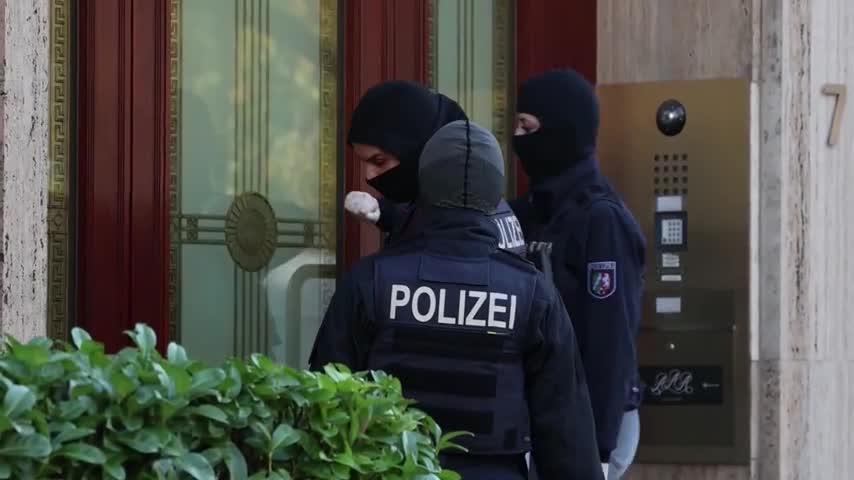
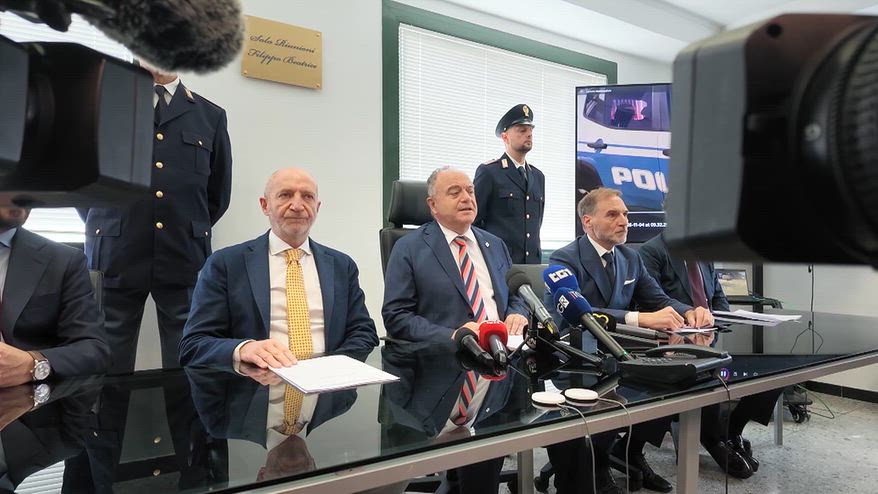
Ukraine’s National Police have identified five new suspects in the investigation into international fraudulent call centres they link to Khimprom. The announcement of 20 November follows inquiries into offices in Kyiv, Dnipro and Ivano-Frankivsk. Police attribute losses of almost fifty million hryvnias suffered by European Union citizens to the fraud under investigation.
The new suspicions arose from material secured during earlier searches. According to investigators, internal records showed which employees had contacted particular victims. Recordings of conversations subsequently arrived from abroad. Experts examined voices and images, after which investigators linked five additional people to specific work within the organisation.
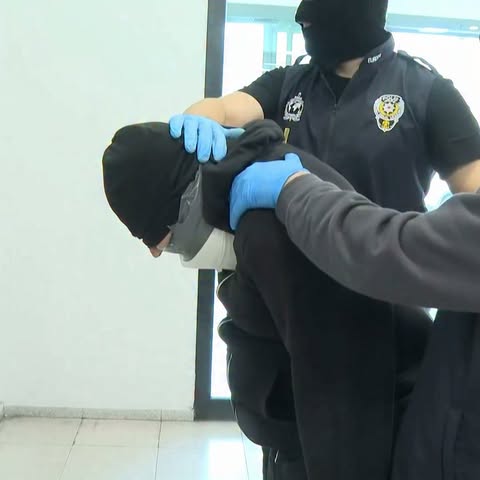
Police describe their roles as a trainer-interpreter, two experienced callers responsible for persuading victims to make payments, an assistant and a guard. Three were detained in Ukraine. The trainer-interpreter was detained in Turkey and formally notified of suspicion in Ukraine in her absence; her extradition is expected. An international search is being prepared for the fifth suspect.
According to the investigation, employees posed as representatives of banks or law-enforcement agencies in European countries. They told victims their money needed protection. Under that pretext, people allegedly transferred savings, bought cryptocurrency or handed cash to couriers. Native speakers and manipulated videos were used to make the conversations more convincing.
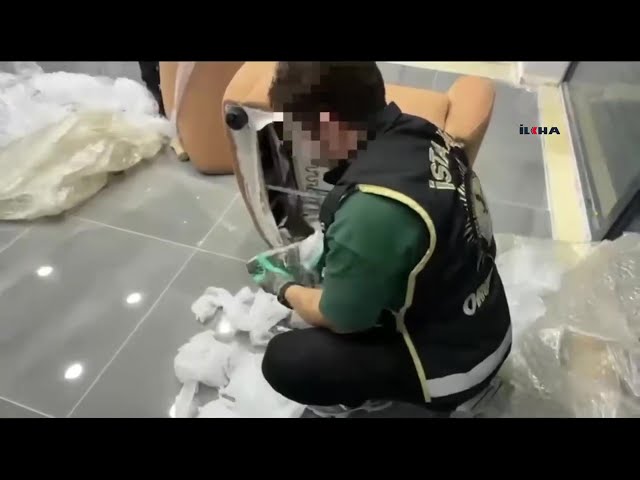
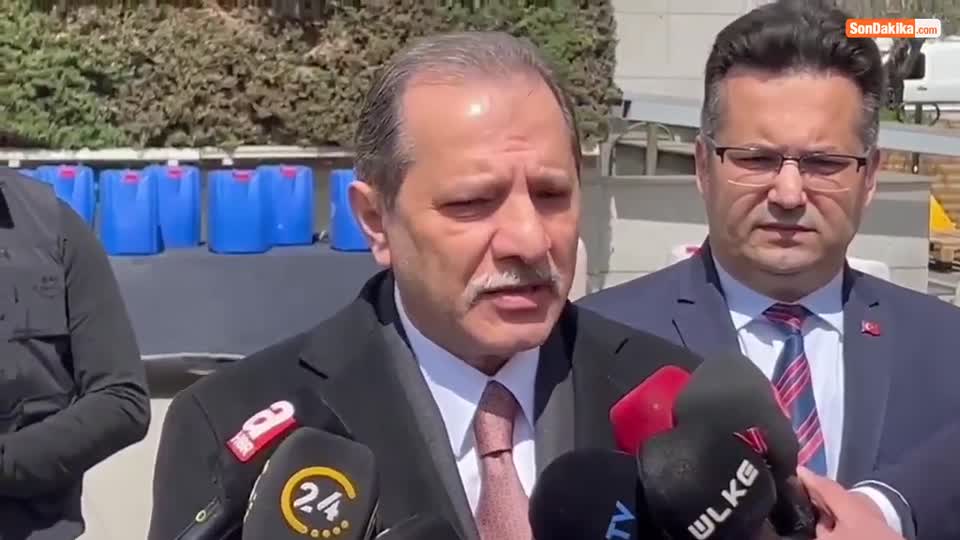
Police also describe a Turkish branch of the investigation. The suspected organiser is a Ukrainian citizen who left the country and is internationally wanted. According to Ukrainian police, he maintains contact with the Khimprom leader known as “Mexican”. Turkish media link him to an Istanbul office presenting itself as a consultancy, where, according to those reports, face substitution was used during video calls.
The first results of this international investigation were announced on 16 December 2025. More than seventy searches had then been carried out and eleven people identified as suspects. Cooperation with Czechia, Latvia and Lithuania continues. The five additional people are suspected of participation in a criminal organisation and fraud; the criminal provisions cited by police carry a maximum of twelve years’ imprisonment and confiscation of assets.