From Barcelona to Rome: 27 arrests in inquiry into three drug networks
Italian investigators traced three groups supplying Rome and the Pontine coast, following consignments from Spain, hidden compartments in vehicles and cash allegedly channelled abroad through Rome.
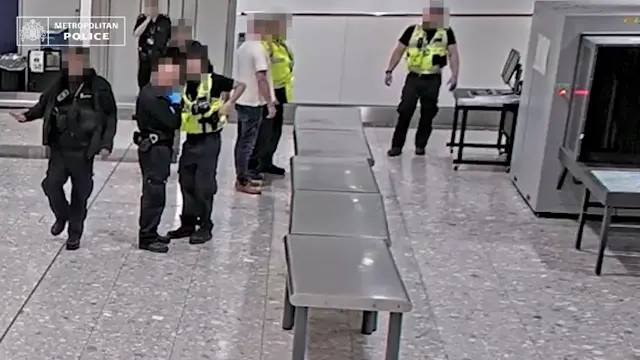
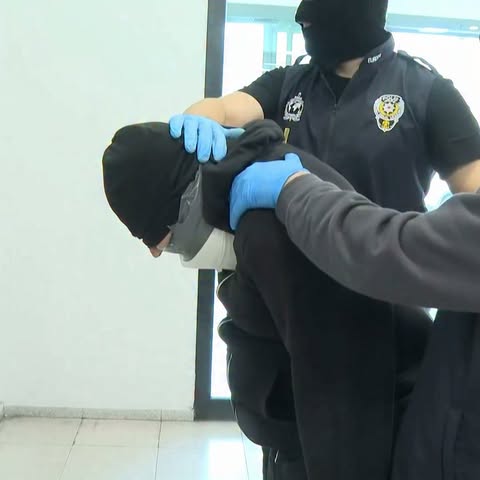
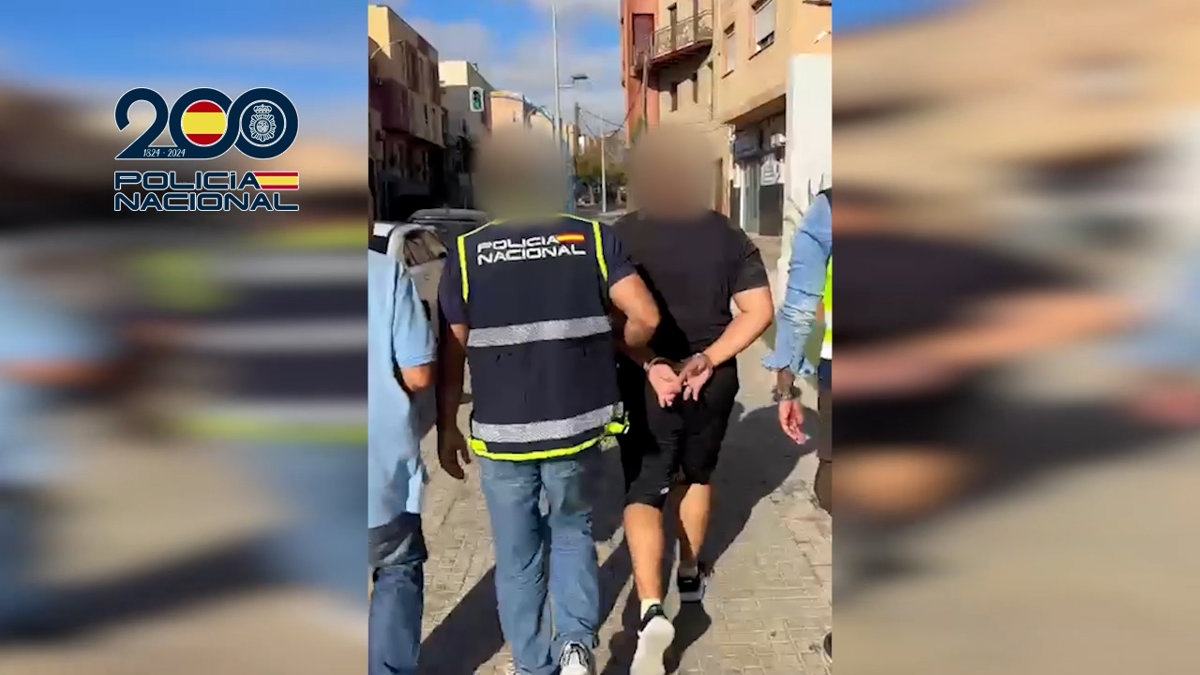
The Spanish lead came into focus in July 2024 when police arrested an Italian fugitive at Barcelona–El Prat Airport after a tip from Italy’s Guardia di Finanza. Investigators suspect that he helped direct drug trafficking to Italy from Spain. A second fugitive was arrested at Rome Fiumicino in June 2026 after extradition from Spain, under a European Arrest Warrant in a separate investigation. Both men had been put on Italy’s list of its 100 most dangerous fugitives in February 2024.
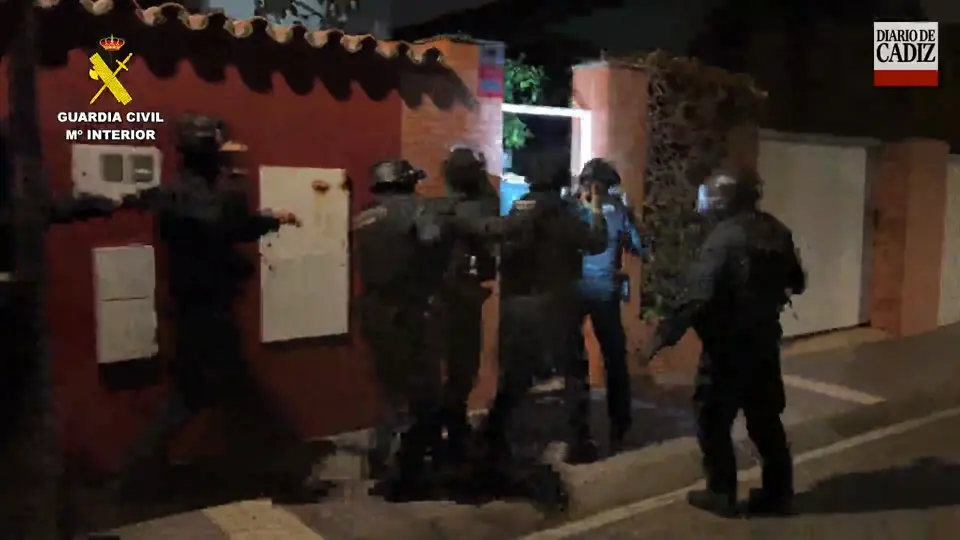
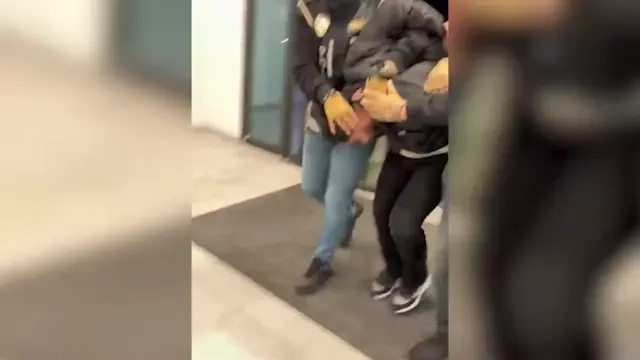
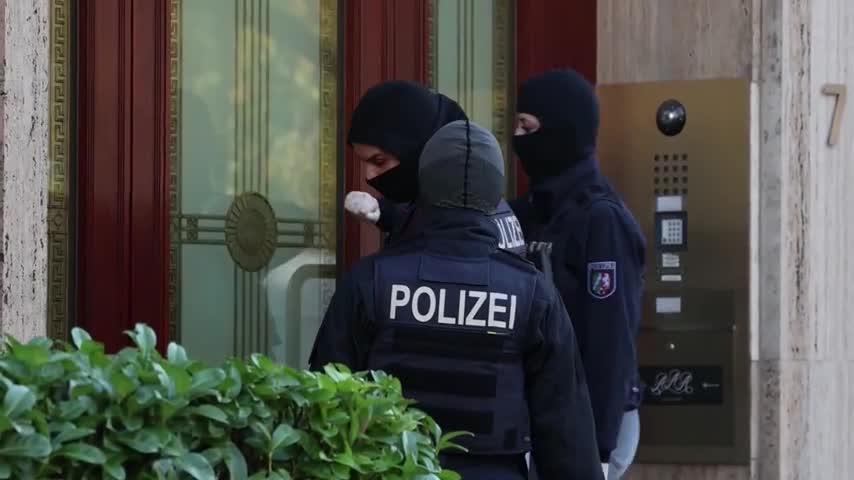
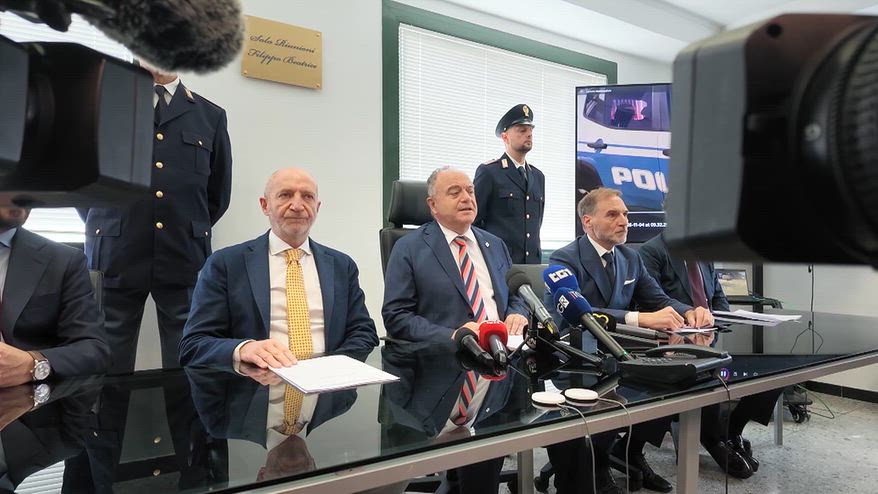
On 16 November 2026, the Guardia di Finanza acted on orders for pretrial detention against 18 suspects at the request of Rome’s anti-mafia prosecutors. Nine others had already been arrested in the act during the investigation, bringing the operation’s total to 27. The investigating judge deferred a decision on one additional suspect until after questioning. The allegations include organised international drug trafficking and, depending on the suspect, laundering the proceeds of their own offences.
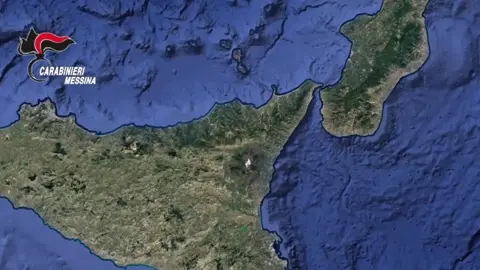
Investigators reconstructed the activities of three groups from 2022 to 2024. The first allegedly had two cells, one operating in Rome districts including Magliana, Trullo, San Basilio and Pietralata, and the other around Latina. Investigators say hashish, marijuana and cocaine came from Spain in articulated lorries and vehicles with concealed compartments. Homes, garages and cellars in Italy allegedly served as storage sites where consignments were processed and packaged for onward sale.
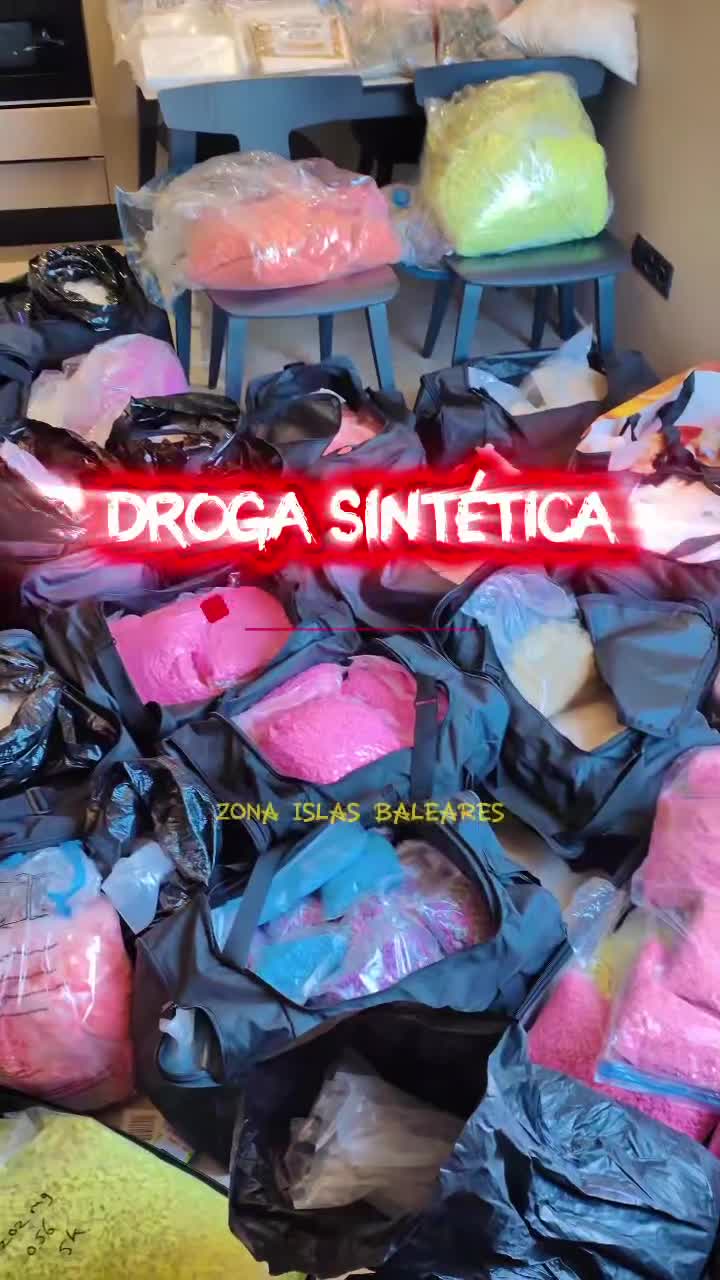
The second group allegedly used couriers and warehouse keepers. Investigators say it received cocaine from abroad in lorries equipped with specially built mechanical compartments. The consignments were taken to sites in Magliana, Portuense and Acilia and allegedly distributed from there to buyers across Rome. Investigators linked the third group to a Roman broker with Colombian contacts. They say his supply included tusi, a mixture sold in nightlife venues as pink cocaine whose ingredients can vary.
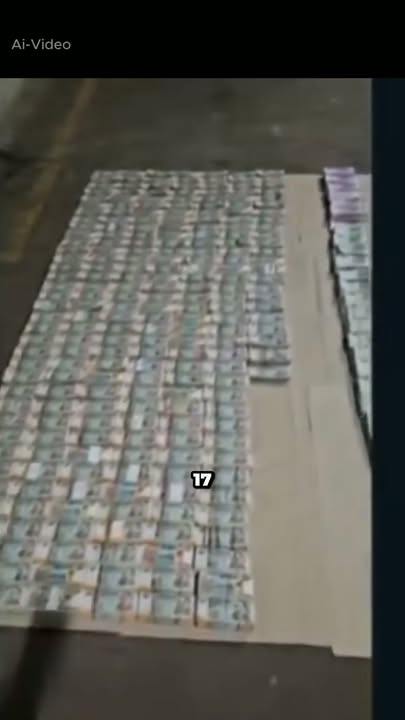
The financial trail passed through Rome’s Esquilino district. The Guardia di Finanza reconstructed roughly €1 million in cash handovers. About half a million euros was allegedly handed in person to intermediaries in the district. Investigators linked the transfers to fei ch’ien, an informal system for moving value between countries outside regular banks. They suspect the money was sent abroad to launder drug proceeds and pay for more shipments.
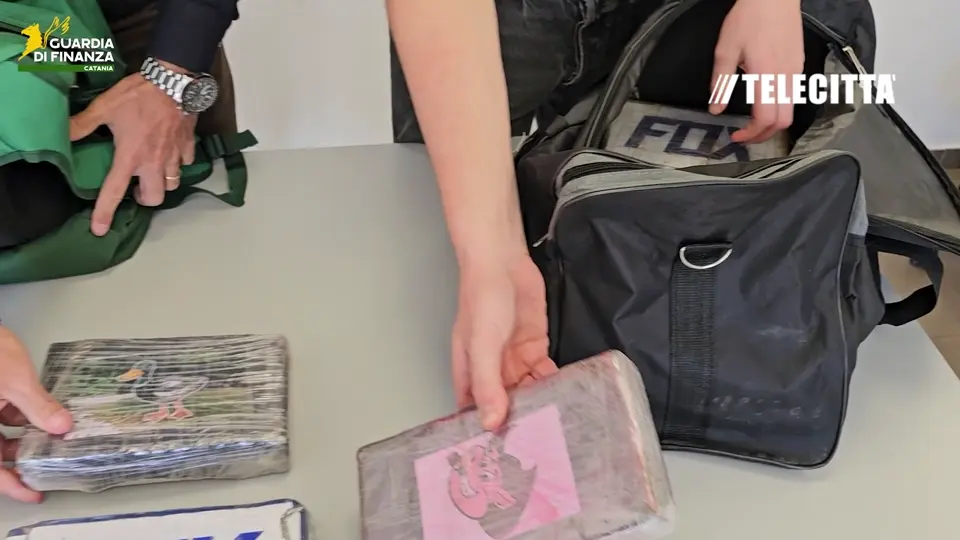
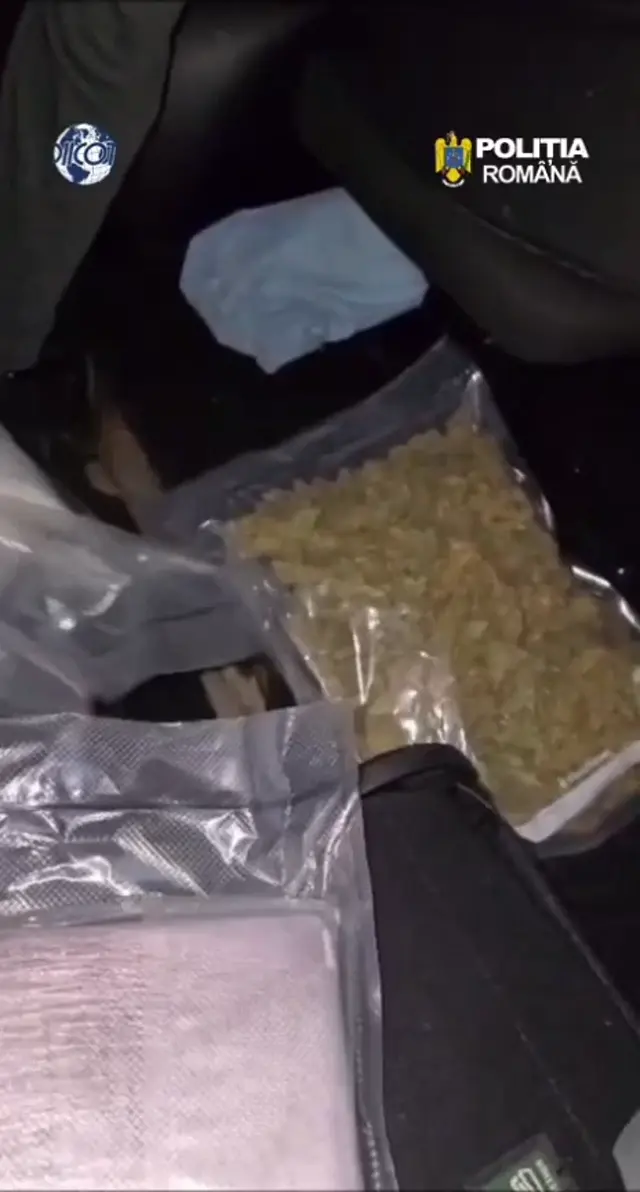
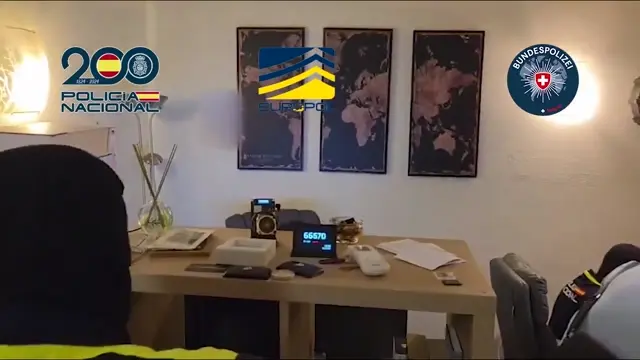
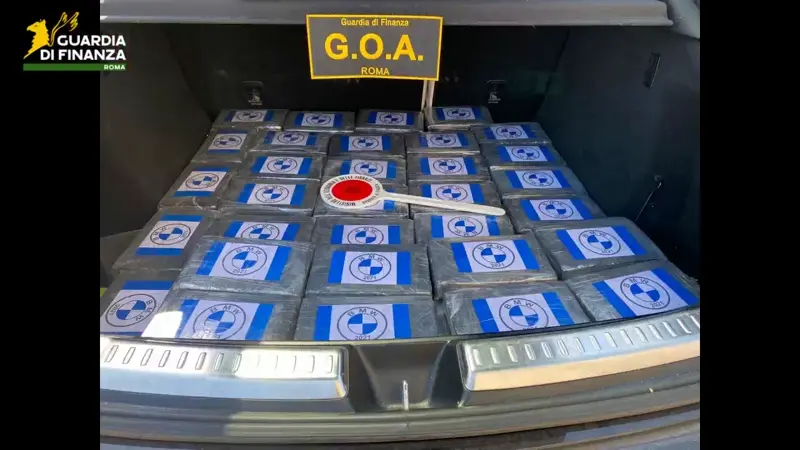
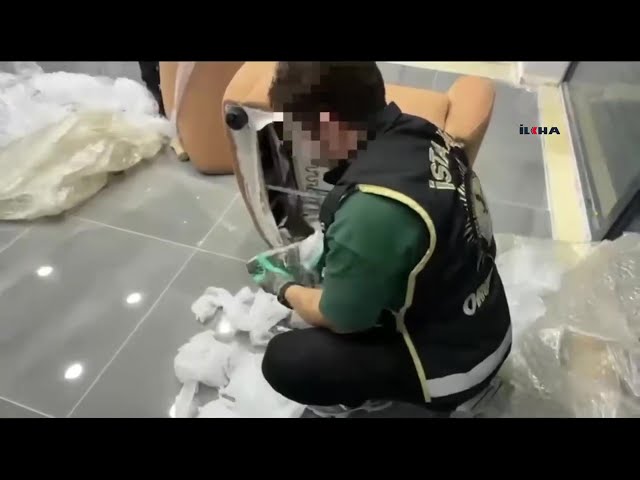
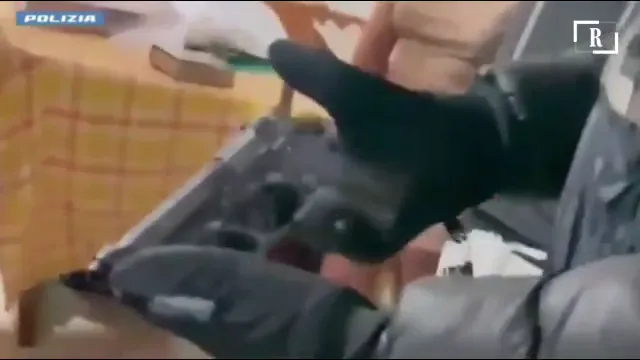
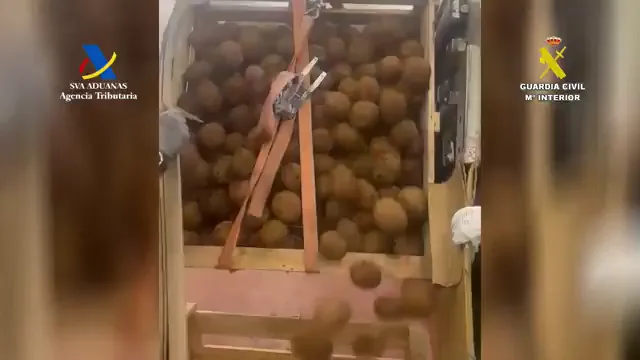
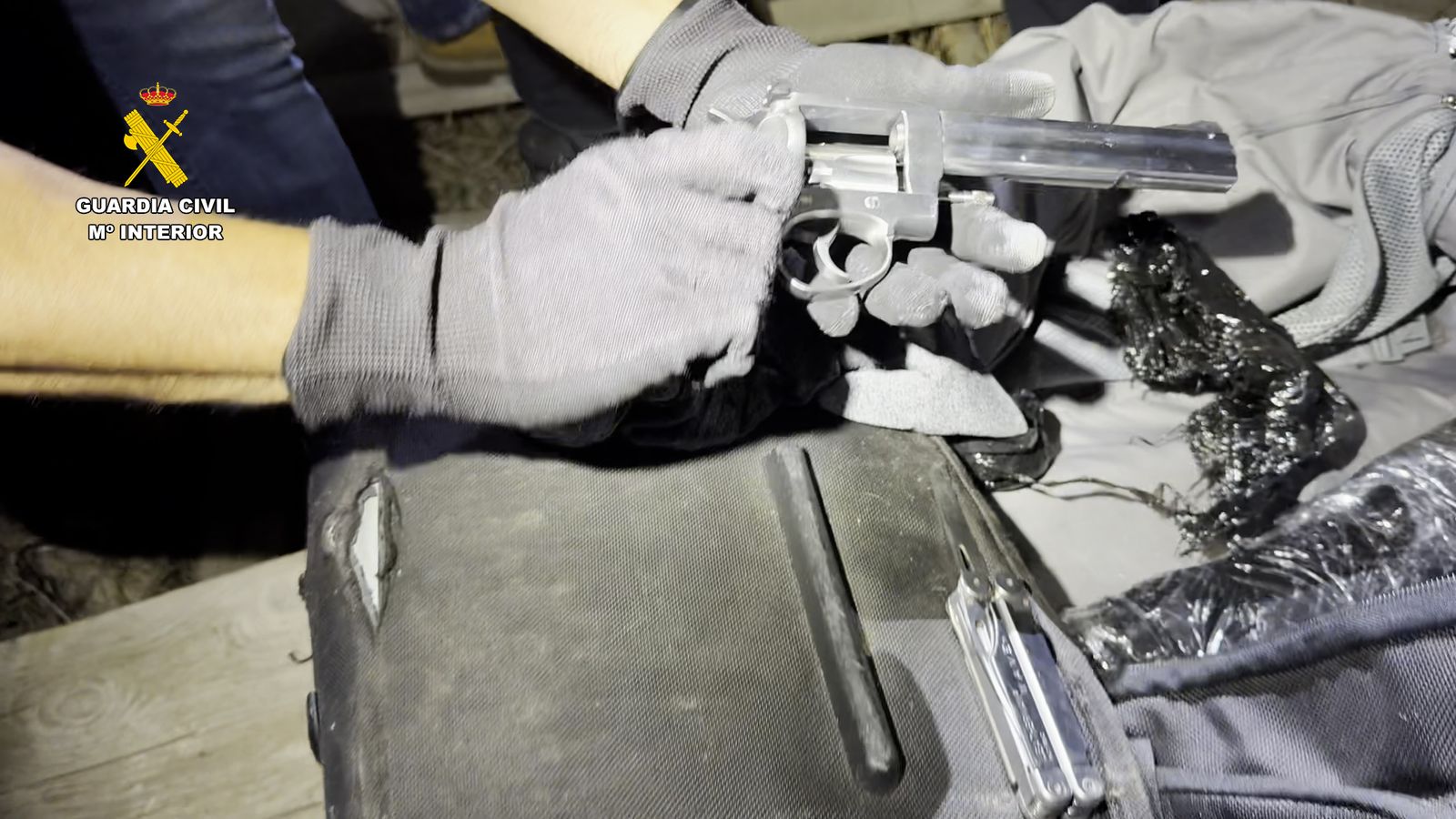
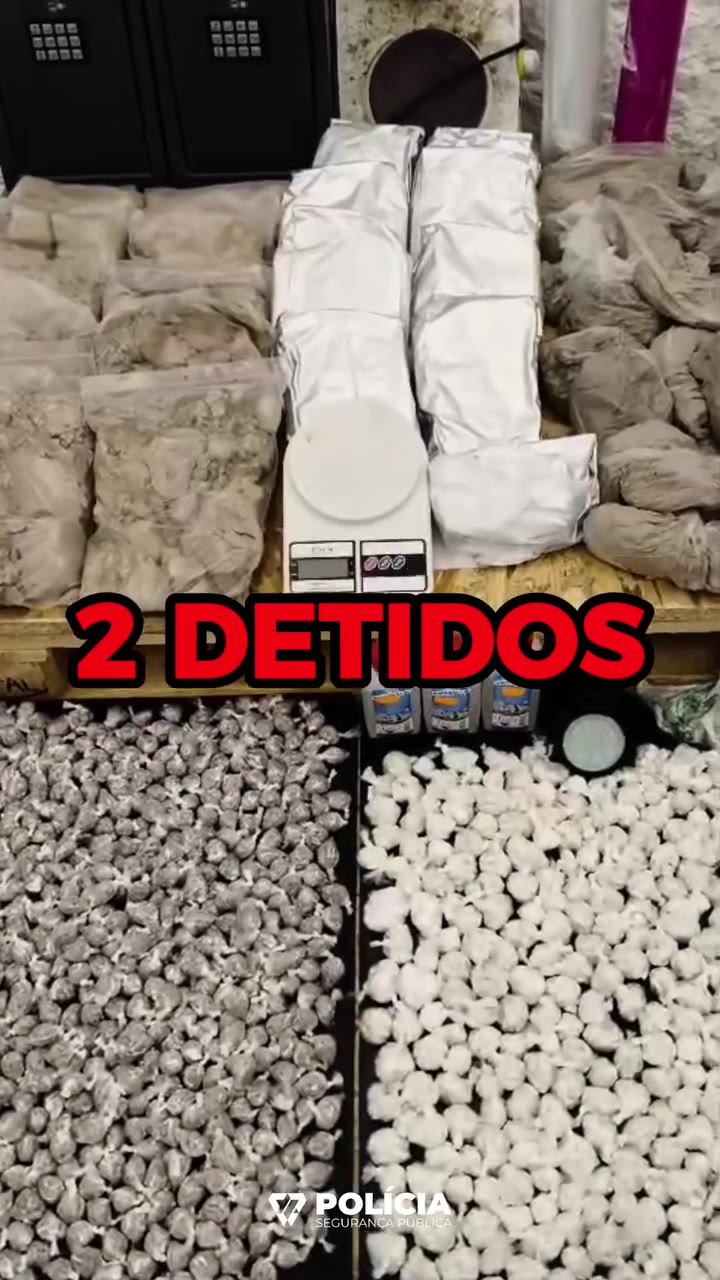
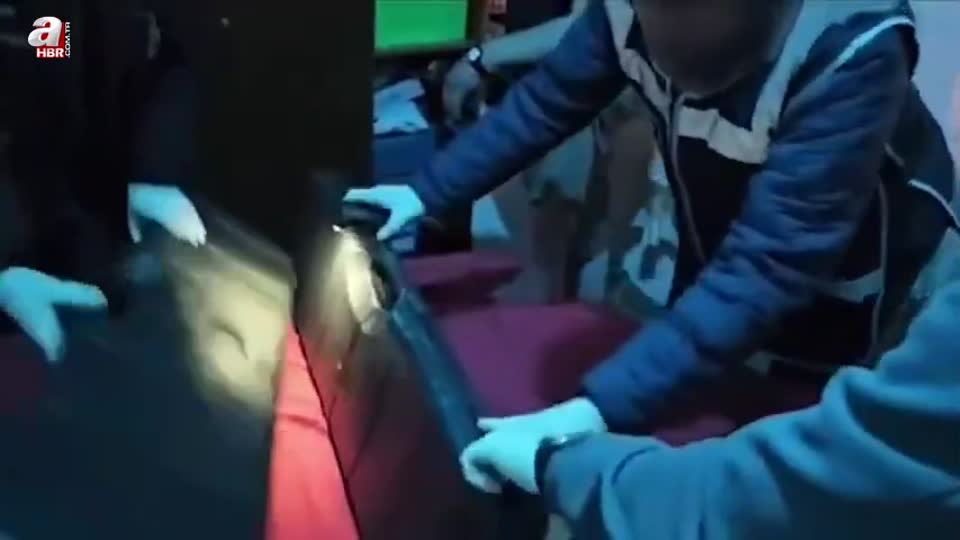
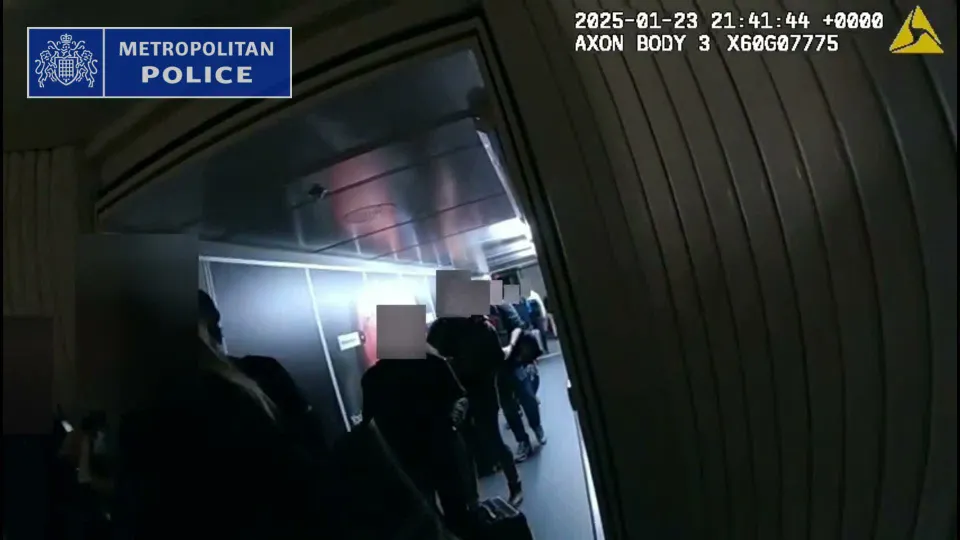
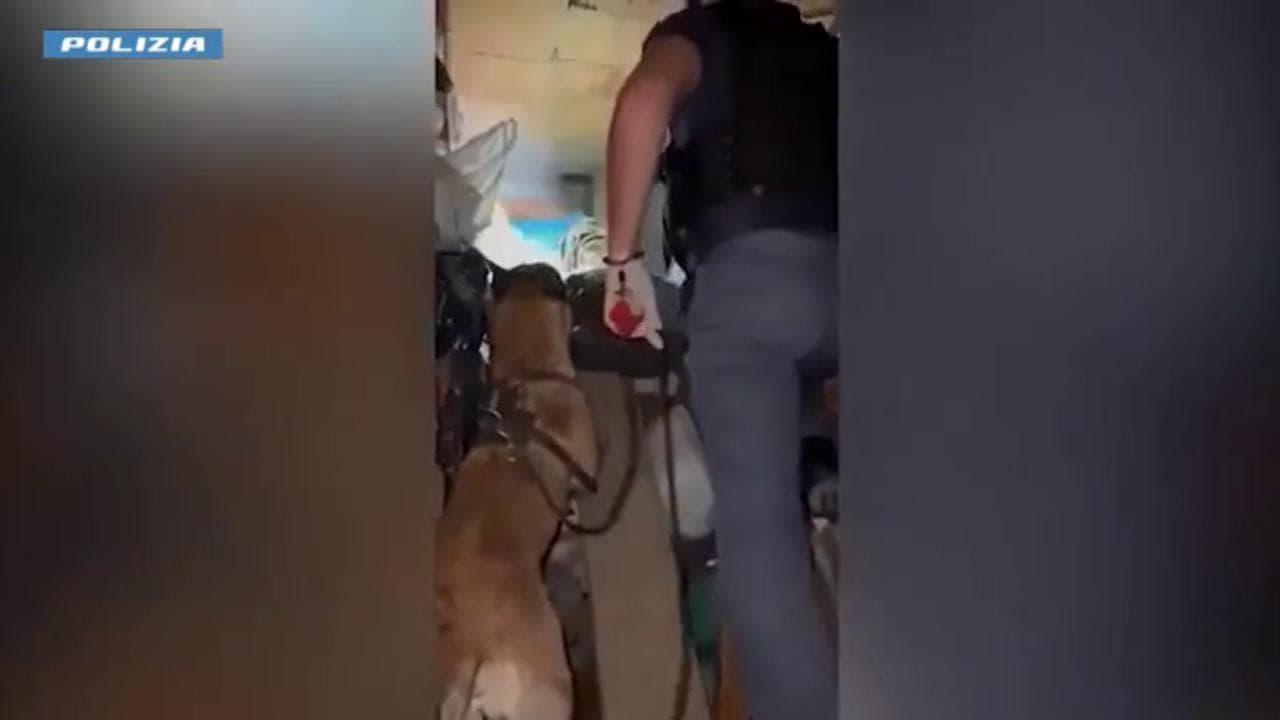
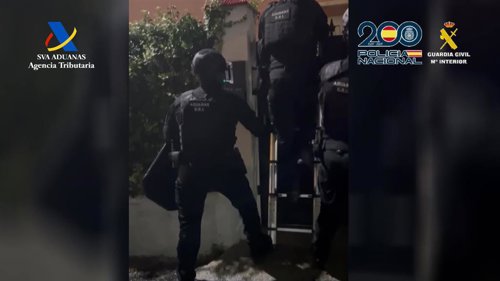
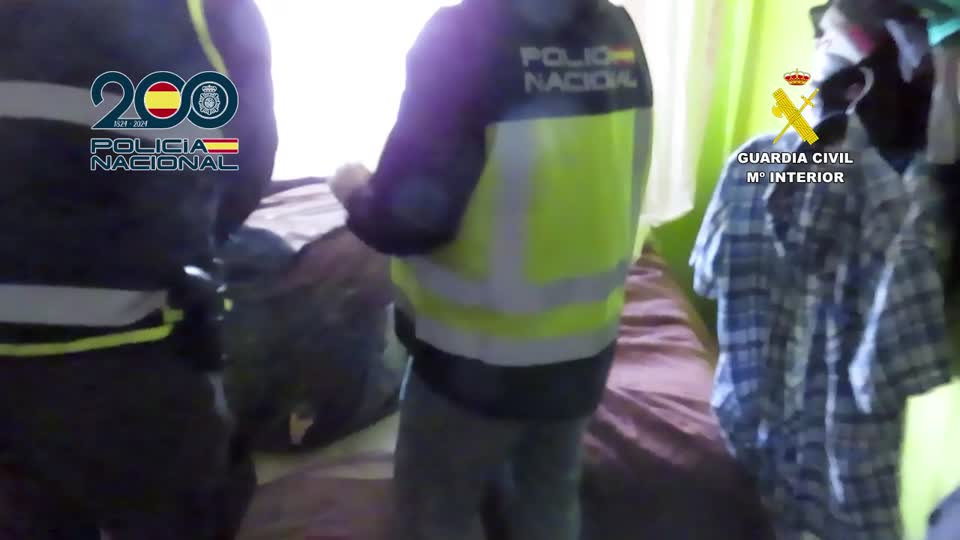
During the investigation, officers seized more than 1,135 kilograms of cocaine, hashish and marijuana. The Guardia di Finanza estimates the seized consignments could have brought the groups more than €38 million. Police footage shows officers inspecting a dashboard, opening a concealed compartment and displaying bundles of banknotes and seized packages.